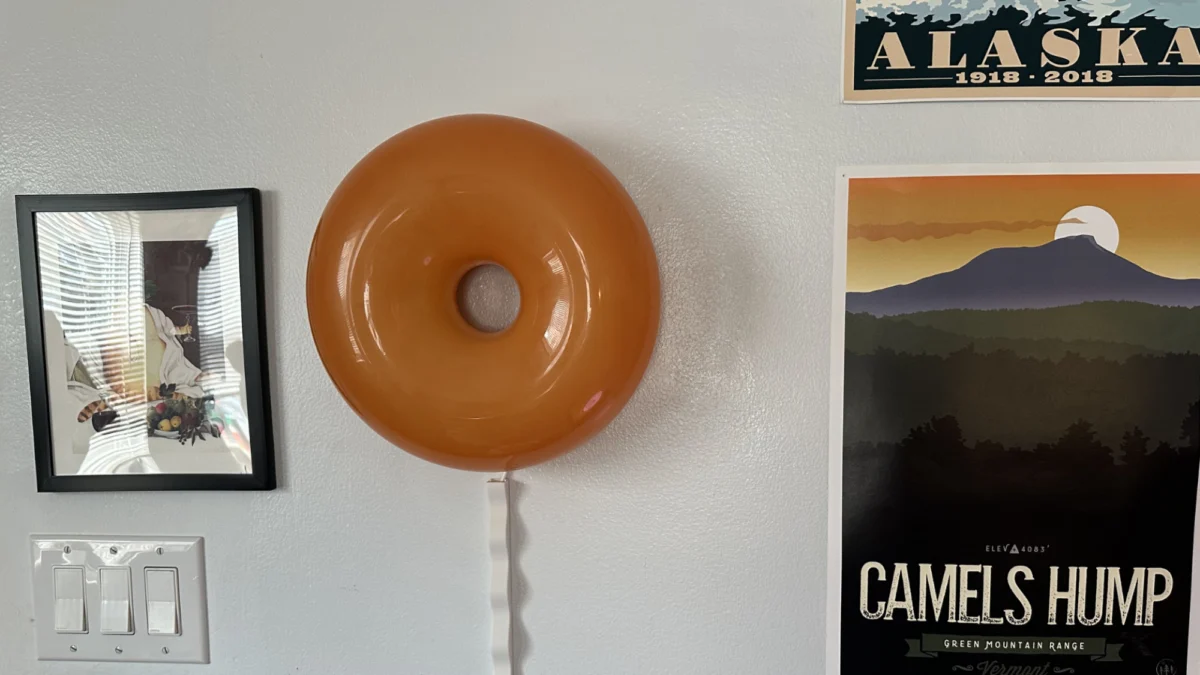
IKEA announced at the 2026 Consumer Electronics Show in Las Vegas that it has officially integrated Matter-over-Thread technology into its most popular decorative lighting fixture, the Varmblixt LED lamp. The move marks a significant step in the Swedish retailer’s multi-year strategy to dominate the affordable smart home market by merging high-concept design with universal connectivity standards. The updated Varmblixt, widely known across social media platforms as the "donut lamp," now features a programmable internal light engine capable of shifting through various color temperatures and hues.
The original Varmblixt lamp debuted in 2023 as part of a limited-edition collection designed by renowned Dutch artist Sabine Marcelis. It quickly achieved viral status, selling out across global markets as consumers sought its signature "warm glow" and sculptural aesthetic. While the first iteration was a "dumb" appliance limited to a single orange hue and a manual power switch, the 2026 version utilizes the Matter-over-Thread protocol to allow seamless integration with Apple Home, Google Home, Amazon Alexa, and Samsung SmartThings.

This technological transition comes at a time when the smart home industry is moving away from proprietary hubs and toward interoperable standards. By adopting Matter-over-Thread, IKEA is positioning the Varmblixt as a flagship device in its "Home Smart" ecosystem. Thread, a low-power mesh networking protocol, ensures that the lamp can communicate with other devices without taxing a home’s Wi-Fi bandwidth, while Matter provides the software framework for cross-platform compatibility.
The physical design of the new Varmblixt lamp maintains the iconic circular "donut" silhouette that defined its predecessor, but it introduces several aesthetic changes to accommodate its new smart capabilities. The original model featured a translucent orange glass housing that dictated the color of the light. The 2026 smart version replaces the orange glass with a matte white frosted finish. This change allows the internal color-changing LEDs to project a wide spectrum of light, ranging from cool daylight blues to the deep, warm ambers that made the original lamp famous.
Industry analysts suggest that the shift from fixed-color glass to a neutral white housing reflects a broader trend in interior design toward versatility. Users can now adjust the lamp’s output to match different times of day or specific moods via a smartphone app or voice commands. Despite the change in materials, the lamp retains its dual-purpose functionality, remaining capable of being mounted as a wall sconce or placed on a flat surface as a table lamp.

One of the most notable features of the updated Varmblixt is the modularity of its components. IKEA confirmed that the bases of the original orange lamp and the new smart white lamp are interchangeable. This design choice allows collectors of the original Sabine Marcelis edition to "upgrade" their existing lamps by swapping the internal smart base into the orange glass shell. This backward compatibility has been praised by consumer advocacy groups as a positive step toward reducing electronic waste and rewarding brand loyalty.
The user experience for the smart Varmblixt has also been redesigned. While the lamp is intended for use within a smart home ecosystem, IKEA includes a dedicated physical remote for manual control. The remote utilizes a simplified two-button interface, marked by dots of varying sizes. Through a series of double-clicks and long presses, users can cycle through pre-programmed color palettes and adjust brightness levels.
However, early hands-on reports indicate that the lack of detailed printed instructions may pose a learning curve for some consumers. The remote’s logic requires users to double-click the large button to move forward through the color wheel or double-click the small button to move backward. Dimming and brightening are handled by holding the buttons down. This minimalist approach to controls is consistent with IKEA’s broader design philosophy but may require some trial and error for those not utilizing a centralized smart home app.

The introduction of the Matter-over-Thread Varmblixt is part of a larger push by IKEA to expand its presence in the "ambient lighting" sector. Unlike traditional task lighting, ambient smart lights are designed to enhance the atmosphere of a room. IKEA’s color palette for the Varmblixt leans toward soft, pastel tones rather than the hyper-saturated neons often found in gaming-centric smart lights. This suggests a target demographic of design-conscious homeowners who prioritize aesthetics over high-intensity RGB effects.
IKEA’s investment in the Dirigera hub and the Matter standard highlights the company’s ambition to compete with premium smart lighting brands such as Philips Hue and Nanoleaf. By offering a designer-label product like the Varmblixt at a competitive price point, IKEA is effectively lowering the barrier to entry for sophisticated smart home setups. The company has stated that the Varmblixt is just one of several legacy designs slated for a smart technology overhaul in the coming fiscal year.
The broader implications of this release extend to the stability of the Matter standard itself. As one of the world’s largest furniture retailers, IKEA’s commitment to Matter-over-Thread provides a significant boost to the protocol’s adoption. For years, the smart home market was plagued by "walled gardens," where devices from different manufacturers could not communicate with one another. The Varmblixt serves as a high-profile case study in how a viral consumer product can be used to bridge these technical divides.

From a manufacturing standpoint, the move to a matte white finish for the smart Varmblixt may also streamline production. Producing high-quality colored glass consistently can be challenging and expensive. By using a neutral white glass and relying on LED technology for color, IKEA can potentially maintain more consistent stock levels, avoiding the massive shortages that plagued the original 2023 release.
Public reaction to the announcement has been largely positive, though some enthusiasts of the original design have expressed nostalgia for the specific "70s-era" warmth of the orange glass. To address this, IKEA has indicated that the original non-smart orange Varmblixt will remain in the catalog for the time being, serving as a budget-friendly alternative for those who do not require smart home integration or color-changing capabilities.
As the smart home market matures, the focus is shifting from what a device can do to how it looks while doing it. The Varmblixt represents the intersection of these two priorities. It is no longer enough for a lamp to be "smart"; it must also serve as a centerpiece of home decor. The inclusion of Thread technology ensures that the lamp is future-proof, capable of receiving over-the-air updates that could add new lighting patterns or improved connectivity features in the years to reach.

Looking ahead, the success of the smart Varmblixt will likely influence how IKEA approaches future collaborations with artists and designers. The fusion of the "Art Event" series with the "Home Smart" division suggests a future where high-end art becomes an interactive, connected part of the domestic environment. For now, the Varmblixt stands as a testament to IKEA’s ability to turn a viral social media moment into a long-term technological staple.
The Matter-over-Thread Varmblixt is expected to roll out to international markets throughout the first quarter of 2026. Pricing is anticipated to be slightly higher than the original model to account for the advanced chipset and color-changing LED array, but it remains positioned as an accessible entry point for consumers looking to enhance their living spaces with both style and intelligence. As the "donut lamp" evolves, it continues to reflect the changing priorities of a global consumer base that demands more from their furniture than just a place to sit or a way to see in the dark.