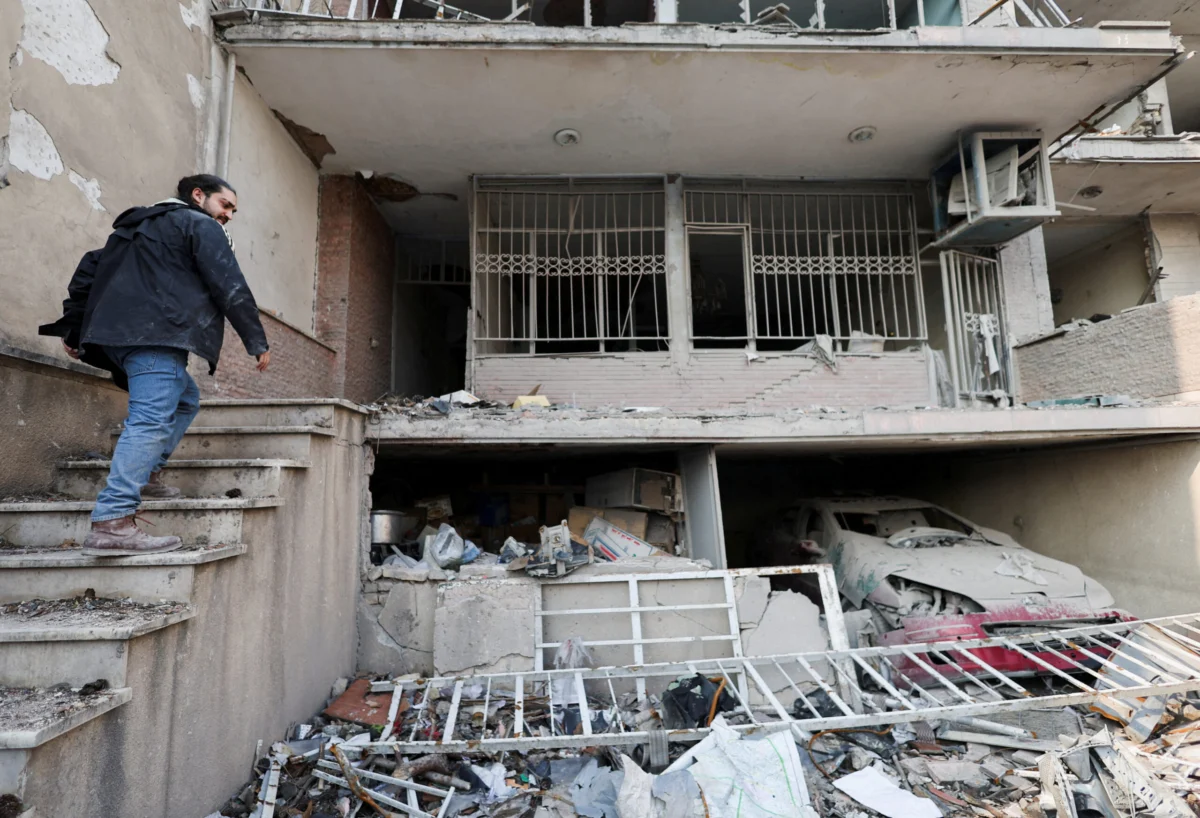
The 16th day of escalating conflict between Iran, the United States, and Israel was marked by significant retaliatory actions, with early Sunday morning strikes on Iran’s Isfahan province reportedly claiming at least 15 lives. This development followed Iran’s own barrages of missiles launched towards Israel and continued strikes against targets in Gulf countries, intensifying a regional crisis that has gripped international attention.
The ongoing hostilities underscore a dangerous escalation in a long-simmering geopolitical struggle. The strikes on Isfahan, a major industrial and military hub in Iran, represent a direct challenge to Tehran and raise profound questions about the potential for a wider, more devastating conflict. The region remains on a knife’s edge, with the specter of a full-blown war looming larger with each passing hour.

Background to the Escalation
The current confrontation has its roots in a complex web of geopolitical rivalries, regional power struggles, and long-standing animosities. For years, Iran has been accused by the U.S. and Israel of supporting militant groups across the Middle East, including Hezbollah in Lebanon and various factions in Iraq and Syria. These groups have frequently launched attacks against Israeli interests and, at times, U.S. assets in the region.
Israel, in turn, has conducted numerous airstrikes against what it describes as Iranian-linked targets in Syria and elsewhere, aiming to prevent Iran from establishing a permanent military presence near its borders. The United States has maintained a significant military presence in the Gulf and has been a staunch ally of Israel, often providing diplomatic and military support. The recent intensification of hostilities suggests a coordinated effort by the U.S. and Israel to directly counter Iran’s regional influence and military capabilities.
Iranian Retaliation and Gulf Impact
In response to the reported strikes on Isfahan, Iran initiated a significant wave of retaliatory missile attacks on Sunday. Sirens wailed across central Israel as multiple Iranian projectiles were detected, signaling Tehran’s intent to retaliate forcefully. This direct engagement with Israel marks a critical turning point, moving beyond proxy conflicts to a more overt exchange of fire.

Furthermore, Iran has continued its campaign of strikes against targets in Gulf countries. While specific details remain scarce, reports indicate that smoke was observed rising from the vicinity of a major energy installation in the United Arab Emirates on March 14, 2026. These actions in the Gulf not only disrupt vital energy supplies but also threaten the fragile stability of crucial shipping lanes, particularly the Strait of Hormuz.
U.S. Diplomatic Maneuvers and Calls for De-escalation
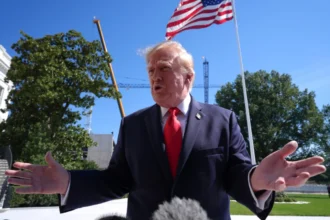
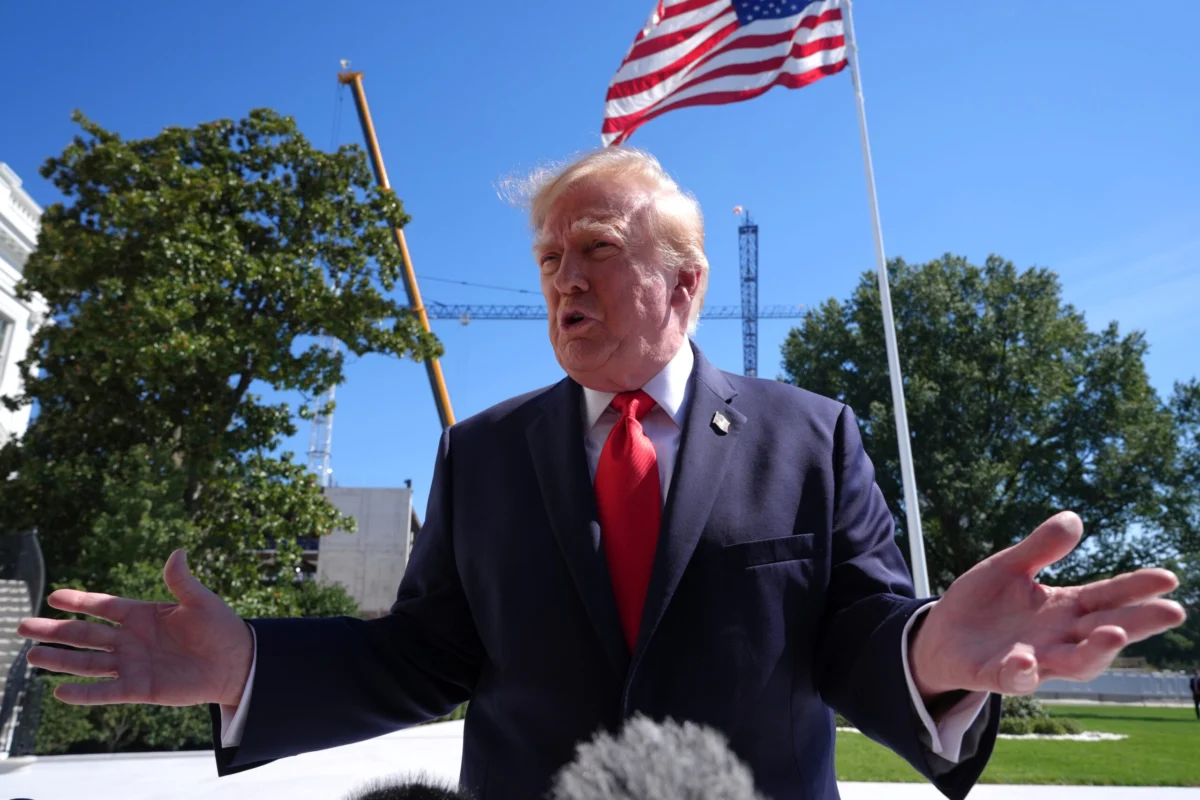
Amidst the escalating military actions, U.S. President Donald Trump made a statement suggesting that Tehran "wants to make a deal." This assertion, made during a period of intense military engagement, could be interpreted in several ways. It might indicate a belief within the U.S. administration that Iran, despite its aggressive posture, is open to diplomatic solutions. Alternatively, it could be a strategic move to signal a potential off-ramp for de-escalation, or a way to put pressure on Iran by suggesting internal divisions or a desire for negotiation.
President Trump also reiterated calls for a naval coalition to ensure the unimpeded flow of traffic through the Strait of Hormuz. This strait is a vital chokepoint for global oil supplies, and any disruption there could have severe economic repercussions worldwide. The U.S. initiative underscores the broader international implications of the conflict, highlighting the interconnectedness of regional stability and global economic security.

Developments in Iran
The reported strikes on Isfahan have brought the conflict directly to Iranian soil. Isfahan province is home to critical military installations, including those related to Iran’s nuclear program, though specific targets and the extent of damage remain unclear. The Iranian government has yet to release official casualty figures or detailed accounts of the strikes, but the initial reports of 15 fatalities indicate a significant impact.
The Iranian response, both militarily and rhetorically, will be closely watched. Tehran’s ability to absorb such strikes and its capacity for further retaliation will shape the trajectory of the conflict. The international community remains concerned about the potential for Iran to further escalate its actions, possibly by activating its network of proxy forces or by taking more direct retaliatory measures.
Impact on Gulf Countries and International Shipping
The continued Iranian strikes in Gulf countries underscore the widening scope of the conflict. The UAE, a key economic hub in the region, has been directly affected, with reports of damage to energy infrastructure. Such attacks not only threaten the immediate security and economic stability of these nations but also raise concerns about the broader impact on global energy markets.

The Strait of Hormuz, a critical artery for international trade, remains a focal point of concern. Any sustained disruption to shipping in this waterway could lead to sharp increases in oil prices and widespread economic disruption. The proposed U.S.-led naval coalition aims to deter further aggression and ensure freedom of navigation, but its effectiveness in a rapidly deteriorating security environment remains to be seen.
Developments in the United States
In the U.S., the escalating conflict has sparked renewed debate about American involvement in the Middle East and the effectiveness of its foreign policy. President Trump’s statements about Iran wanting a deal, coupled with the call for a naval coalition, reflect a multi-pronged approach to managing the crisis. The administration faces pressure to balance its commitment to allies like Israel with the imperative to avoid a direct, large-scale military confrontation with Iran.
Public opinion in the U.S. is likely to be divided, with some advocating for a stronger stance against Iran and others calling for de-escalation and a focus on domestic priorities. The economic implications of rising oil prices and potential disruptions to global supply chains are also a significant concern for the American public and policymakers.

Situation in Israel and Lebanon
Israel has been on high alert throughout the escalating crisis. The country has experienced direct missile attacks from Iran, underscoring the immediate threat it faces. The Israeli government has reiterated its commitment to its own security and has signaled its readiness to respond decisively to any aggression. The ongoing conflict has also had a spillover effect into Lebanon, with reports of smoke from a building in Beirut on March 12, 2026, following an evacuation order.
The situation in Lebanon is particularly sensitive due to the presence of Hezbollah, an Iran-backed militant group that has been involved in exchanges of fire with Israel. The potential for this conflict to draw Hezbollah into a more active role adds another layer of complexity and risk to an already volatile situation.
International Reactions and Broader Implications
The international community has expressed deep concern over the escalating tensions. The United Nations and various world leaders have called for restraint and de-escalation, urging all parties to pursue diplomatic solutions. However, the entrenched positions and the history of mistrust make a swift resolution unlikely.

The broader implications of this conflict extend far beyond the immediate participants. A wider war in the Middle East could have devastating humanitarian consequences, displace millions of people, and further destabilize an already fragile region. Economically, the impact could be felt globally through disruptions to energy supplies and trade routes. The potential for this conflict to draw in other regional and global powers also raises the specter of a much larger, more dangerous confrontation.
Looking Ahead
As the conflict enters its 17th day, the situation remains highly fluid and unpredictable. The coming days will be critical in determining whether the cycle of escalation can be broken or if the region is headed towards an even more devastating confrontation. The actions taken by Iran, the U.S., and Israel, as well as the responses from regional and international actors, will shape the future of the Middle East and have profound implications for global security and stability. The world watches with bated breath as the delicate balance of power in the region is tested once more.