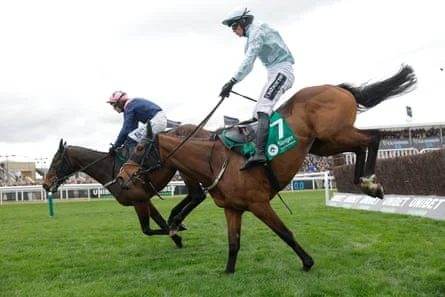
The Cheltenham Festival has officially reinstated its traditional Ladies Day, marking a strategic shift by the Jockey Club to restore heritage elements to one of the most significant events in the British jump racing calendar. After a five-year absence and a brief experiment with gender-neutral branding, the return of the event on Wednesday signaled a push to increase female attendance and revitalize the social atmosphere of the four-day meeting. Organizers and stakeholders described the move as both a return to form and a response to the evolving demands of the sporting public.
Known colloquially as the "Olympics of jump racing," the Cheltenham Festival serves as a primary pillar of the National Hunt season. However, beyond the high-stakes competition on the turf, the event is frequently viewed as a social barometer for the United Kingdom. This year’s festivities suggest a nation seeking a balance between traditional pageantry and modern economic realities, as the Jockey Club introduced a suite of changes ranging from branding pivots to price adjustments for food and beverages.
The Strategic Reinstatement of Ladies Day at Cheltenham
The decision to bring back Ladies Day follows a period of experimentation that saw the event rebranded as "Style Wednesday" in 2024. That move, intended to promote a more inclusive and unisex environment, was met with significant pushback from traditionalists and certain media commentators who labeled the change as an unnecessary concession to modern "woke" sensibilities. While the Jockey Club initially stood by the gender-neutral "Style Wednesday" format, the 2025 festival marks a definitive return to the "glamour and glory" branding associated with Ladies Day.

Jockey Club officials have denied that the reversal was a direct result of political pressure or public criticism. Instead, they framed the return of Ladies Day as a targeted effort to broaden the sport’s appeal. Guy Lavender, the chief executive of Cheltenham Racecourse, emphasized that the primary objective remains the diversification of the crowd. According to Lavender, the racing industry has identified a massive, untapped audience of female sports fans who may have previously felt excluded or overlooked by the traditional racing environment.
By appointing Rachael Blackmore, the historic Grand National-winning jockey, as the "head of Ladies Day," the festival is attempting to bridge the gap between the high-performance athletic side of the sport and its social traditions. Blackmore’s involvement is intended to provide a credible, professional face to an event that has often been criticized for focusing too heavily on fashion at the expense of the sport itself.
Economic Pressures and the Value Proposition
A central theme of this year’s festival is the industry’s attempt to address the rising cost of living and the increasing competition from international destinations. Racing enthusiasts have increasingly opted to travel to locations like Benidorm, Spain, where they can watch the races in a warmer climate with significantly cheaper alcohol prices. This "Costa del Cheltenham" trend has forced the Jockey Club to reevaluate its pricing structures to maintain domestic attendance.
In a move that surprised some industry observers, the price of a pint of Guinness—the festival’s signature beverage—was reduced from £7.80 to £7.50. While the 30-cent reduction may seem marginal, it represents a symbolic gesture toward fans who have grown weary of escalating hospitality costs. With nearly 400,000 pints expected to be sold over the four days of the festival, the price cut is a significant move for the venue’s revenue management.
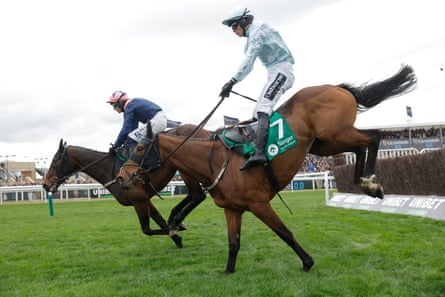
Furthermore, the festival has introduced prosecco to its menus for the first time. At £46 per bottle, the sparkling wine offers a more accessible entry point for celebratory drinking compared to the £85 house champagne. These economic adjustments are part of what Lavender calls a "value proposition," designed to ensure that the festival remains an attractive option for middle-income spectators who do not have access to elite corporate hospitality suites.
Ladies Day Returns to Cheltenham Festival with Heritage Fashion
The aesthetic of the return to Ladies Day has also shifted away from the high-glitz, often flamboyant styles seen at events like Royal Ascot or the Aintree Grand National. Instead, Cheltenham fashion is increasingly rooted in "country heritage," characterized by heavy tweeds, sophisticated tailoring, and practical yet elegant millinery. This shift reflects the rugged, outdoor nature of the Cotswolds in March, where racegoers must often contend with unpredictable weather and mud.
Jade Holland Cooper, a prominent figure in the British fashion industry and founder of the Holland Cooper brand, noted that the return of Ladies Day feels "incredibly special" for the local economy and the fashion sector. She observed that the "Cheltenham look" is distinct because it prioritizes pieces that work with the elements rather than against them. This focus on heritage and durability has helped sustain a cottage industry of milliners and tailors who specialize in high-end wool and leather goods.
To encourage participation in the social side of the event, the festival has maintained prizes for the best-dressed individuals, duos, and groups. However, the focus has shifted toward celebrating personal style and craftsmanship rather than mere extravagance. This approach aims to make the event feel more inclusive, encouraging women who might feel intimidated by the complexities of betting or horse form to engage with the festival through its cultural and social traditions.

Infrastructure and Spectator Experience
Beyond the branding and pricing, the Jockey Club has implemented logistical changes to improve the overall experience for the general public. One of the most notable additions is "The Retreat," a new undercover bar and food outlet designed for spectators who lack access to expensive hospitality areas. This facility provides a necessary refuge from the rain and wind, addressing a long-standing complaint among regular ticket holders.
Additionally, the racecourse has relaxed its policies regarding movement within the venue, allowing fans to carry drinks more freely between different zones. This change is intended to create a more relaxed, communal atmosphere, moving away from the rigid segregation of enclosures that has characterized British racing for decades. By fostering a more fluid environment, organizers hope to encourage more interaction between different demographics of fans.
Industry data shows that in recent years, only about 25% of racegoers at Cheltenham have been women. The return of Ladies Day is a calculated attempt to move that figure closer to a 50/50 split. Early indicators from this year’s Tuesday and Wednesday sessions suggest that the demographic shift is beginning to take hold, with a visible increase in female attendance and a more diverse range of age groups represented in the stands.
The Broader Impact on the Racing Industry
The strategic pivot at Cheltenham is being closely watched by other major sporting venues across the United Kingdom. As the cost of staging large-scale events continues to rise, the ability to balance tradition with modern consumer expectations is becoming a survival skill for racecourse operators. The Jockey Club’s willingness to experiment—and subsequently course-correct when those experiments fail to resonate—provides a roadmap for how legacy sports can navigate a changing cultural landscape.
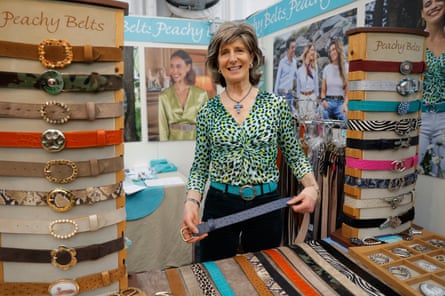
Critics of the Ladies Day format argue that gendered events are an anachronism in the 21st century. However, proponents, including many women within the industry, argue that such days provide a vital entry point for new fans. Sophie Hall, a model and presenter who attended the event, noted that many women feel they lack the technical knowledge to enjoy racing. By providing a social hook like Ladies Day, the festival creates an environment where newcomers can learn about the sport in a less intimidating setting.
Ultimately, the success of the return of Ladies Day will be measured not just in ticket sales or pints of Guinness sold, but in the long-term sustainability of the sport. As the "Olympics of jump racing" continues to evolve, the challenge for the Jockey Club will be to maintain the "glamour and glory" that fans expect while ensuring that the event remains accessible and relevant to a broader, more diverse audience.
The 2025 festival serves as a reminder that even the most storied institutions must remain agile. By listening to its core fan base while simultaneously reaching out to new demographics, Cheltenham is attempting to secure its place as a premier destination on the global sporting calendar. Whether through the reduction of pint prices or the celebration of heritage fashion, the goal remains the same: to ensure that the roar of the Cheltenham crowd remains as loud and diverse as ever.