Heightened Tensions and Strategic Deployments
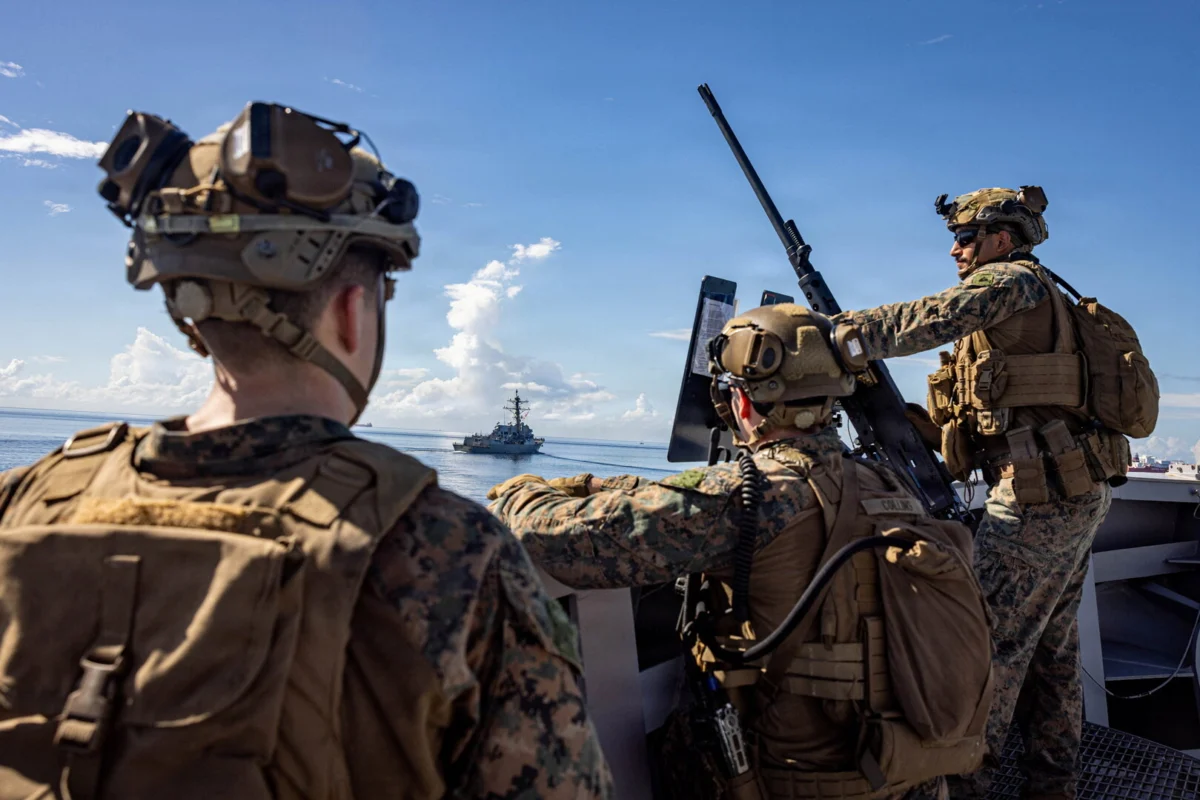
The movement of these specialized military capabilities is being interpreted by defense analysts and foreign policy observers as the most concrete indication to date of a possible shift towards direct U.S. ground intervention in Iran. While official statements remain measured, the nature of the deployed assets – including logistical support, heavy transport, and potentially specialized engineering units – strongly suggests a readiness for sustained ground operations. This development comes amid a backdrop of persistent regional instability and ongoing tensions between Washington and Tehran.
The focus of these potential operations, according to early assessments, may be to secure the critical Strait of Hormuz. This vital waterway, a chokepoint for a significant portion of global oil transit, has been a recurring flashpoint in U.S.-Iran relations. Any disruption to shipping in the Strait carries profound implications for the global economy and international energy markets. The positioning of U.S. military power in such close proximity to this strategic chokepoint underscores the gravity of the current geopolitical climate.
Precedent and Escalation in the Region
The deployment of ground troops in the Middle East is not without precedent for the United States. Decades of engagement in the region have seen varying levels of military presence, from advisory roles to full-scale combat operations. However, a direct ground operation within Iran would represent a significant departure from recent U.S. policy, which has largely focused on sanctions and indirect military pressure, including naval presence and aerial surveillance.
This latest military buildup appears to be a calculated move, signaling a potential recalibration of U.S. foreign policy under the Trump administration. The administration has consistently advocated for a more assertive stance against Iran, citing its ballistic missile program, support for regional militias, and alleged violations of international norms. The current military preparations could be an embodiment of that more aggressive posture, moving beyond diplomatic and economic levers.
The Role of Key Military Assets
The specific types of military assets being moved are crucial to understanding the potential scope and intent of any operation. These include, but are not limited to, units capable of rapid deployment, heavy equipment transport, and robust logistical sustainment. The presence of these elements suggests a planning horizon that extends beyond a limited strike or a purely defensive posture. They are indicative of a scenario requiring the establishment and maintenance of a significant ground presence.
Furthermore, the strategic positioning of naval assets in the Persian Gulf and the Arabian Sea complements these ground-oriented preparations. A combined naval and ground force strategy would allow for a multi-pronged approach, potentially involving amphibious landings, securing coastal areas, and establishing forward operating bases. This coordinated effort amplifies the signals of intent and capability.
The Strait of Hormuz: A Geopolitical Nexus
The Strait of Hormuz, a narrow waterway connecting the Persian Gulf to the Gulf of Oman, is of immense strategic and economic importance. Approximately 30% of the world’s seaborne oil trade passes through this vital artery. Any attempt by Iran to disrupt or close the strait, or any action by external powers to control it, has immediate and far-reaching consequences for global energy security and international commerce.
Past incidents in the Strait have seen heightened tensions, including naval confrontations and the seizure of vessels. The U.S. military presence in the region has historically aimed to ensure freedom of navigation and deter any such disruptions. The current deployment suggests a potential escalation of these efforts, moving towards a more proactive role in securing this critical maritime passage, potentially through direct control.
Broader Implications for Regional Stability
A U.S. ground operation in Iran would undoubtedly send shockwaves across the Middle East and beyond. Such a move would carry significant risks of wider regional conflict, potentially drawing in other regional powers and exacerbating existing proxy conflicts. The intricate web of alliances and rivalries in the region means that any direct military engagement could have unpredictable and cascading effects.
The international community is likely to react with considerable concern. Diplomatic efforts to de-escalate tensions and find a peaceful resolution would be paramount. However, the unfolding military movements suggest that diplomatic channels may be taking a secondary role to operational planning. This raises the specter of a significant geopolitical crisis, with implications for global security and the international order.
Economic Ramifications and Global Markets
The prospect of a ground operation in Iran, especially one aimed at controlling the Strait of Hormuz, carries immense economic implications. Global oil prices would likely surge dramatically in response to any perceived threat to supply. This could trigger inflationary pressures worldwide, impacting everything from transportation costs to the price of consumer goods.
Stock markets and financial institutions would also experience significant volatility. The uncertainty and risk associated with a major military conflict in a strategically vital region would prompt investors to seek safer havens, leading to potential market downturns. The global economic system, already navigating various challenges, could face a severe disruption.
Domestic Political Considerations
Within the United States, any decision to commit ground troops to Iran would be subject to intense domestic political debate. The cost in terms of human lives, financial resources, and the potential for prolonged engagement would be central to these discussions. Public opinion, which has historically shown a degree of wariness towards large-scale ground interventions, would play a significant role in shaping the political landscape.
The administration’s justification for such an operation, and the clarity of its objectives, would be critical for building domestic support. Congressional oversight and authorization would also be key considerations, particularly given the War Powers Resolution and the historical precedent for congressional involvement in decisions regarding the deployment of U.S. forces in combat situations.
Historical Context of U.S.-Iran Relations
The relationship between the United States and Iran has been fraught with tension since the 1979 Islamic Revolution. Decades of sanctions, diplomatic standoffs, and proxy conflicts have defined this complex geopolitical dynamic. The U.S. withdrawal from the Joint Comprehensive Plan of Action (JCPOA) in 2018 and the subsequent reimposition of stringent sanctions marked a significant escalation of tensions.
This period has seen Iran’s nuclear program become a central point of contention, alongside its regional activities. The current military movements can be seen as the latest chapter in this long-standing adversarial relationship, potentially signaling a shift from a policy of maximum pressure to one of direct military engagement.
The Strategic Calculus of Ground Operations
The decision to consider a ground operation is a weighty one, involving a complex strategic calculus. It implies a belief that other means have failed or are insufficient to achieve U.S. objectives. Ground forces offer the ability to exert direct physical control over territory and critical infrastructure, a capability that air power or naval presence alone cannot fully replicate.
However, ground operations are also the most costly in terms of human lives and resources. They carry the highest risk of prolonged conflict, insurgency, and unintended consequences. The terrain, potential for resistance, and the complexities of operating in a foreign country are all significant factors that military planners must meticulously assess.
International Reactions and Diplomatic Efforts
The international community is closely monitoring these developments. Key allies in Europe and the Middle East, as well as global powers like Russia and China, will be assessing the implications for regional security and global stability. Diplomatic channels are likely to be activated in an effort to de-escalate the situation and prevent further military escalation.
The United Nations Security Council could become a venue for urgent discussions and calls for restraint. The effectiveness of these diplomatic efforts will depend on the willingness of all parties to engage constructively and de-escalate tensions. However, the visible military preparations suggest that the window for purely diplomatic solutions may be narrowing.
The Path Forward and Potential Scenarios
The coming days and weeks will be critical in determining the trajectory of this evolving situation. The nature of the U.S. military’s actions, coupled with Iran’s response, will shape the immediate future. Several scenarios are possible, ranging from a de-escalation driven by international pressure and diplomatic breakthroughs to a full-blown military conflict.
The clarity of U.S. objectives and the extent of planning for post-operation stabilization will be crucial if a ground operation were to proceed. Without a clear strategy for managing the aftermath, any military success could be overshadowed by long-term instability and unforeseen challenges. The world watches with bated breath as the geopolitical landscape shifts, with the potential for a ground operation in Iran marking a pivotal moment.