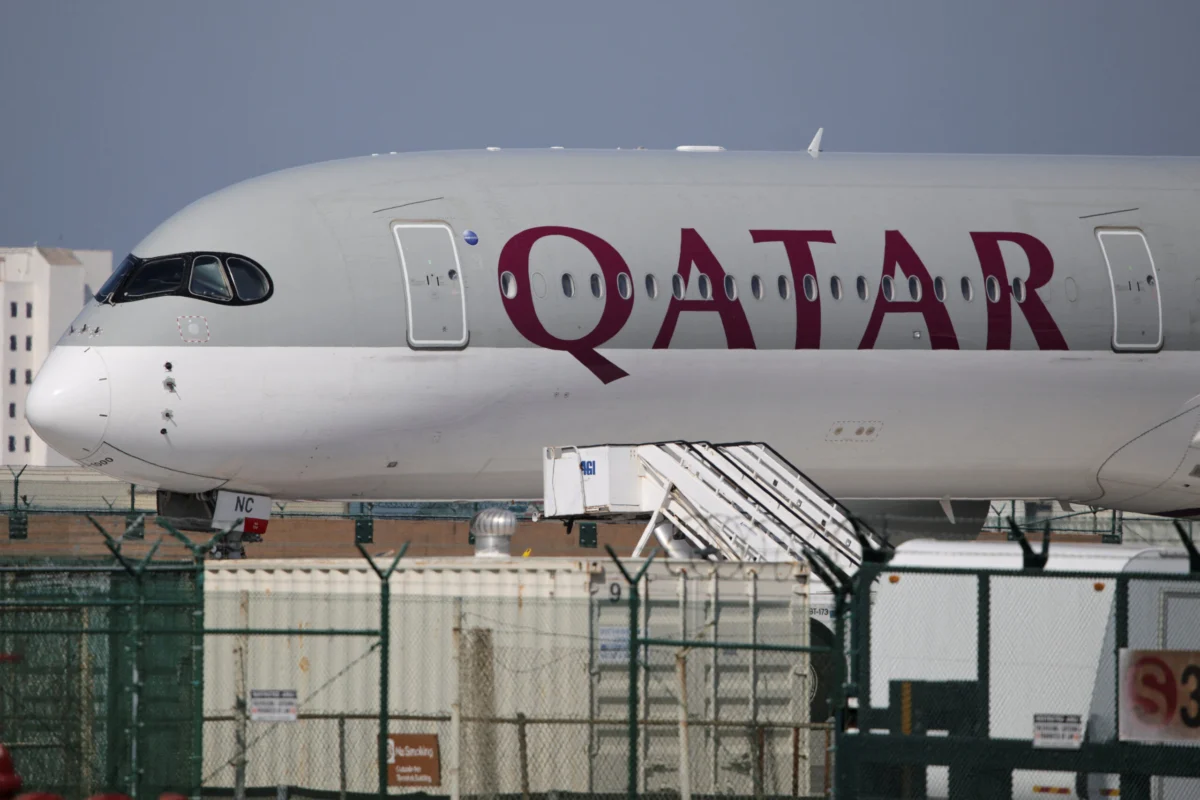
Qatar Airways has announced a significantly reduced flight schedule connecting the Qatari capital, Doha, with dozens of international destinations, effective March 18. This measure comes as a consequence of the ongoing US-Israeli military campaign against Iran, which has led to widespread disruptions in regional air travel and the temporary closure of Qatari airspace. The airline stated that these limited operations would continue through March 28, underscoring the severe impact of the escalating geopolitical conflict on global connectivity.
Navigating a Turbulent Sky: Limited Operations in Doha
The decision by Qatar Airways to implement a restricted flight plan reflects the volatile security situation gripping the Middle East. Passengers seeking to travel to or from Doha will find a considerably diminished network, affecting routes across Africa, Europe, Asia, the Americas, and the Asia Pacific region. The airline emphasized its commitment to assisting passengers during this challenging period, acknowledging the difficulties posed by the airspace closures.
"With Qatar Airways scheduled flight operations still temporarily suspended due to the closure of Qatari airspace, we want you to know that we are doing our utmost to support you with your journey, and to reunite you with your family and loved ones," the airline stated in a public announcement. This sentiment highlights the human element behind the logistical and geopolitical complexities, as families and travelers face uncertainty and potential separation.
The resumption of full operations by Qatar Airways hinges entirely on the Qatar Civil Aviation Authority’s declaration of the complete and safe reopening of the nation’s airspace. Until then, the airline will operate on a highly restricted basis, prioritizing essential travel and repatriation efforts where possible. This cautious approach underscores the seriousness of the airspace security concerns and the broader regional instability.
The Ripple Effect of Geopolitical Conflict on Air Travel
The current air travel crisis is a direct fallout from the US and Israeli military operations initiated against Iran on February 28. These actions have triggered a series of retaliatory missile and drone strikes by Iran, targeting various locations across the Middle East. Several Gulf nations, including key aviation hubs, have become sites of these retaliatory actions, leading to immediate and cascading effects on air traffic control and flight safety protocols.
The impact on air travel has been profound, with many carriers forced to reroute flights, cancel services, or significantly scale back operations. The closure of national airspaces, a common defensive measure during periods of heightened conflict, creates a domino effect, disrupting global air routes and stranding passengers. The sheer volume of international flights that transit through the Middle East makes these disruptions particularly far-reaching.
For travelers, this situation translates into canceled plans, extended layovers, and the growing anxiety of being stranded in a conflict zone. The promise of reuniting with loved ones or returning home has become a distant prospect for many caught in the crossfire of this geopolitical escalation. The economic implications for airlines, airports, and the tourism sector are also substantial, with significant revenue losses anticipated.
Dubai International Airport Recovers Amidst Fire and Drone Incident
The disruption to air travel has not been confined to Qatar. Dubai International Airport, one of the world’s busiest aviation hubs, experienced significant operational setbacks following a "drone-related incident" on Monday. The incident ignited a fuel tank fire near the airport, prompting immediate safety measures and a temporary suspension of flights.
Authorities in the United Arab Emirates, which has been notably affected by Iranian attacks, confirmed that flights were gradually resuming at Dubai International Airport. The airport management issued a statement indicating that services to and from Dubai were being restored to "selected destinations" as the situation stabilized. The swift containment of the fire and the absence of reported injuries were crucial in the airport’s efforts to regain operational normalcy.

This incident in Dubai further underscores the vulnerability of critical infrastructure, including major international airports, to the ongoing regional hostilities. The use of drones in attacks presents a new and complex challenge for air traffic security, requiring advanced countermeasures and heightened vigilance. The gradual resumption of flights at Dubai International signifies resilience, but the underlying threat remains a significant concern for the aviation industry.
Broader Implications for Regional and Global Connectivity
The current crisis poses a significant threat to the long-term stability of air travel in the Middle East, a region that has invested heavily in becoming a global aviation nexus. The continued airspace restrictions and the potential for further escalation create an environment of uncertainty that deters travel and investment. Airlines reliant on Middle Eastern routes face ongoing operational challenges and financial strain.
The reliance of global trade and travel on efficient air connectivity means that disruptions in this region have far-reaching consequences. Supply chains can be impacted, business travel curtailed, and the movement of people for tourism and personal reasons severely hampered. The economic ripple effects extend beyond the immediate conflict zone, affecting economies worldwide.
Furthermore, the geopolitical tensions driving these disruptions have broader implications for international relations and regional security. The prolonged conflict could reshape alliances, alter trade dynamics, and necessitate a significant reassessment of security architectures in the Middle East and beyond. The aviation sector, often a barometer of global stability, is acutely sensitive to these shifts.
The Human Cost of Airspace Closures
Beyond the economic and logistical challenges, the human cost of these disruptions is substantial. Thousands of travelers have found themselves stranded, facing uncertainty about their travel plans, accommodation, and the safety of their loved ones. The emotional toll of being separated from family and friends during a period of conflict cannot be overstated.
For expatriate communities and migrant workers who often rely on these flight routes to visit home, the impact is particularly severe. The inability to travel means missed family events, delayed medical treatments, and a prolonged absence from personal support networks. The airline’s commitment to assisting passengers is crucial, but it cannot fully mitigate the personal hardship caused by the situation.
The ongoing uncertainty surrounding the duration of airspace closures and the potential for further escalation creates a climate of anxiety for frequent flyers and those planning essential travel. The aviation industry’s ability to adapt and maintain connectivity is a testament to its resilience, but the current circumstances present an unprecedented challenge.
The Path Forward: Rebuilding Confidence and Connectivity
The eventual resolution of the current geopolitical conflict and the subsequent reopening of airspace will be critical steps toward restoring normalcy in air travel. However, rebuilding traveler confidence and ensuring the long-term security of flight operations will require concerted efforts from governments, aviation authorities, and airlines alike.
This situation highlights the interconnectedness of global aviation and the profound impact that regional instability can have on international connectivity. As the situation evolves, continuous monitoring and adaptive strategies will be essential for navigating the complexities of air travel in the Middle East. The commitment to passenger safety and well-being will remain paramount as the region seeks to overcome these significant challenges. The future of air travel in the Middle East will depend on the successful de-escalation of tensions and the restoration of confidence in the region’s airspace.