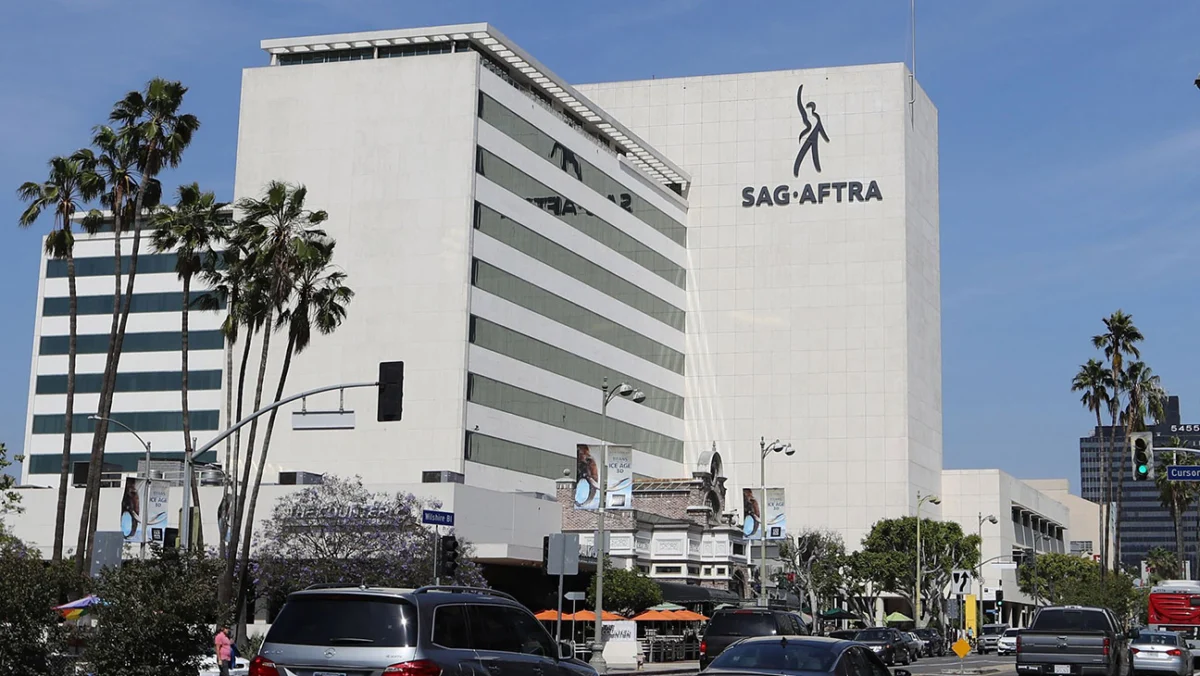
Hollywood’s entertainment industry faces continued uncertainty after SAG-AFTRA, the Screen Actors Guild–American Federation of Television and Radio Artists, and major studios failed to reach an immediate agreement on a new contract following intense bargaining sessions that concluded Sunday. The Alliance of Motion Picture and Television Producers (AMPTP), representing the studios and streamers, and the performers’ union announced that while discussions were productive, formal negotiations for the next three-year deal covering film and television work will resume later in the spring, well in advance of the current contract’s June 30 expiration. This development prolongs a period of anxious anticipation across the industry, particularly given the memory of last year’s prolonged strikes.
The Protracted Bargaining Landscape
The announcement came shortly after the conclusion of the 98th annual Academy Awards, signaling a continuation of the high-stakes labor discussions that have characterized Hollywood in recent years. This round of talks marks SAG-AFTRA as the first major union to engage in collective bargaining with the AMPTP in the 2026 contract cycle. The outcome of these negotiations is expected to set a significant precedent for upcoming discussions, including those of the Writers Guild of America (WGA), which is scheduled to begin its own talks with the AMPTP on Monday.
Echoes of the 2023 Strikes
The backdrop for these current negotiations is the unprecedented dual strike of 2023, where both SAG-AFTRA and the WGA waged work stoppages for over 100 days. That period brought film and television production to a near standstill, causing billions of dollars in economic losses and disrupting release schedules for numerous projects. The core grievances during those strikes — improving compensation in the streaming era, establishing robust protections against generative artificial intelligence (AI), and addressing issues like self-taped auditions and healthcare contributions — remain central to the current discussions.
The 2023 strikes highlighted a fundamental disconnect between labor and management regarding the distribution of profits in a rapidly evolving digital landscape. Performers and writers argued that the shift to streaming had eroded residual payments, making it increasingly difficult for working professionals to earn a living wage and qualify for essential benefits like healthcare and pensions. The studios, conversely, cited evolving business models and increased production costs as factors limiting their flexibility. This tension continues to define the present negotiations, underscoring the deep-seated issues that both parties are attempting to resolve.
The AMPTP’s Stance
The AMPTP, an association that represents more than 350 American motion picture and television production companies, including major studios like Disney, Warner Bros. Discovery, Netflix, Amazon, Apple, Paramount, NBCUniversal, and Sony Pictures, faces the complex task of balancing the financial demands of its member companies with the pressing concerns of the industry’s creative workforce. Led by its new president, Gregory Hessinger, the AMPTP’s strategy involves navigating the economic realities of a highly competitive global entertainment market while seeking to establish sustainable labor agreements. Hessinger, a veteran negotiator, assumed the role with the mandate to foster stability after a tumultuous year for labor relations.
The Road to Resumed Negotiations
SAG-AFTRA’s current bargaining period officially commenced on February 9, under the leadership of National Executive Director and chief negotiator Duncan Crabtree-Ireland. Initially slated for a specific timeframe, the parties announced on March 6 that they had mutually agreed to extend the contract negotiations by an additional week, indicating a desire to continue dialogue and explore potential common ground. This extension ultimately led to the Sunday announcement that while an immediate deal was elusive, the conversations were productive enough to warrant a planned resumption later in the spring.
Key Players and Initial Progress
Duncan Crabtree-Ireland, a central figure in SAG-AFTRA’s leadership, has been vocal about the union’s priorities, particularly regarding the existential threats posed by generative AI and the need for fair compensation. His counterpart, Gregory Hessinger, brings a wealth of experience in labor relations to the AMPTP, having previously held significant roles in major corporations. The joint statement released by both parties on Sunday confirmed that they "completed productive bargaining sessions, including going several days beyond what was originally planned." It further stated, "While we will continue ongoing conversations, formal negotiations will resume later this spring as planned, before the current contract expires June 30." This measured language suggests a mutual commitment to finding a resolution without the immediate pressure of a looming strike, for now.
Core Issues: AI and Economic Security
At the heart of SAG-AFTRA’s demands are two critical areas: robust protections and compensation related to generative AI, and significant improvements in member income and benefits. The union, a sprawling labor group representing principal performers, background actors, dancers, singers, stunt performers, and voice artists, brings a broad spectrum of priorities to the bargaining table. The diversity of its membership means that a comprehensive deal must address a wide array of specific concerns.
Navigating the AI Frontier
Generative AI has rapidly evolved since SAG-AFTRA last negotiated its initial contract language covering the technology. What was once a nascent threat has quickly become a tangible reality, with the potential to fundamentally alter the nature of performance and content creation. The union’s primary concern revolves around the unauthorized use of performers’ likenesses, voices, and performances to create synthetic or digitally altered content without proper consent or compensation. Duncan Crabtree-Ireland has repeatedly articulated the union’s strategic objective: to make performers generated by AI "as expensive as humans." This approach aims not to ban AI outright, but to ensure that its deployment is economically disincentivized if it undermines human employment, and that human creators are fairly compensated when their work or likeness is used to train or generate AI content.
The implications of AI extend to various facets of performance, including digital replicas for background actors, voice cloning for voiceover artists, and the potential for synthetic lead performances. SAG-AFTRA seeks to establish clear guidelines for consent, usage, and residuals for any AI-generated content derived from or inspired by human performers. This battle over AI is seen as a pivotal moment for labor in the digital age, setting a precedent for how creative industries will integrate rapidly advancing technology while protecting human artistry and livelihoods.
Fair Compensation in the Streaming Era
Beyond AI, boosting income for members remains a paramount concern for SAG-AFTRA. The shift from traditional broadcast and cable models to streaming has drastically altered the economics of entertainment, particularly impacting residual payments — the long-term compensation actors receive when their work is rerun or streamed. Many working actors, who rely on these residuals to supplement their income between jobs, have seen a significant decline in these payments, making it increasingly difficult to qualify for health insurance or maintain financial stability.
Union president Sean Astin has been an outspoken advocate for the economic struggles of his members. "People need their wages; they’re having a hard time qualifying for health care. They need cost-of-living, inflation [adjustments]. People need to make more money," Astin previously stated, highlighting the real-world impact of stagnant wages and rising living costs. The union is pushing for substantial wage increases that account for inflation, improved contributions to health and pension plans, and a restructuring of residual payments to reflect the true value of content in the streaming ecosystem. These demands reflect a broader effort to ensure that the success of the streaming industry translates into fair and sustainable compensation for the artists who create the content.
Industry-Wide Implications and Future Outlook
The decision to pause and resume negotiations later in the spring creates a period of strategic regrouping for both SAG-AFTRA and the AMPTP. It allows each side to reassess their positions, refine their proposals, and gauge the evolving landscape of industry sentiment. However, the clock continues to tick towards the June 30 contract expiration, adding an element of urgency to the upcoming discussions. Failure to reach a deal by that deadline could lead to another strike authorization vote, potentially plunging Hollywood into another period of costly work stoppages.
The Looming Deadline and Potential Ramifications
A renewed strike would have devastating consequences for the entertainment industry, which is still recovering from the economic fallout of the 2023 strikes. Productions would halt, thousands of crew members and support staff would be out of work, and the ripple effect would extend to ancillary businesses such as caterers, equipment rental companies, transportation services, and local hospitality providers. The public, already experiencing delays in content releases from the previous strikes, could face further disruptions to their entertainment consumption. Investor confidence in the stability of the Hollywood business model would also likely be shaken, impacting future investment and development.
A Precedent for Future Labor Talks
The outcome of these negotiations will undoubtedly set a significant precedent for other unions, particularly the WGA, which begins its own talks shortly. The solidarity displayed during the 2023 strikes demonstrated the collective power of Hollywood’s labor groups. While each union has unique demands, there is a shared interest in addressing fundamental issues like fair compensation in the digital age and comprehensive AI protections. The path forged by SAG-AFTRA could influence the strategies and demands of other unions, potentially shaping the future of labor relations across the entire entertainment sector.
As the industry looks ahead to the resumed negotiations later in the spring, the stakes remain incredibly high. The future of fair labor practices in an AI-driven, streaming-centric world hangs in the balance, impacting not just the livelihoods of tens of thousands of performers but also the economic stability and creative output of Hollywood itself. Both sides face immense pressure to secure a deal that addresses the profound challenges and opportunities presented by a rapidly transforming industry.