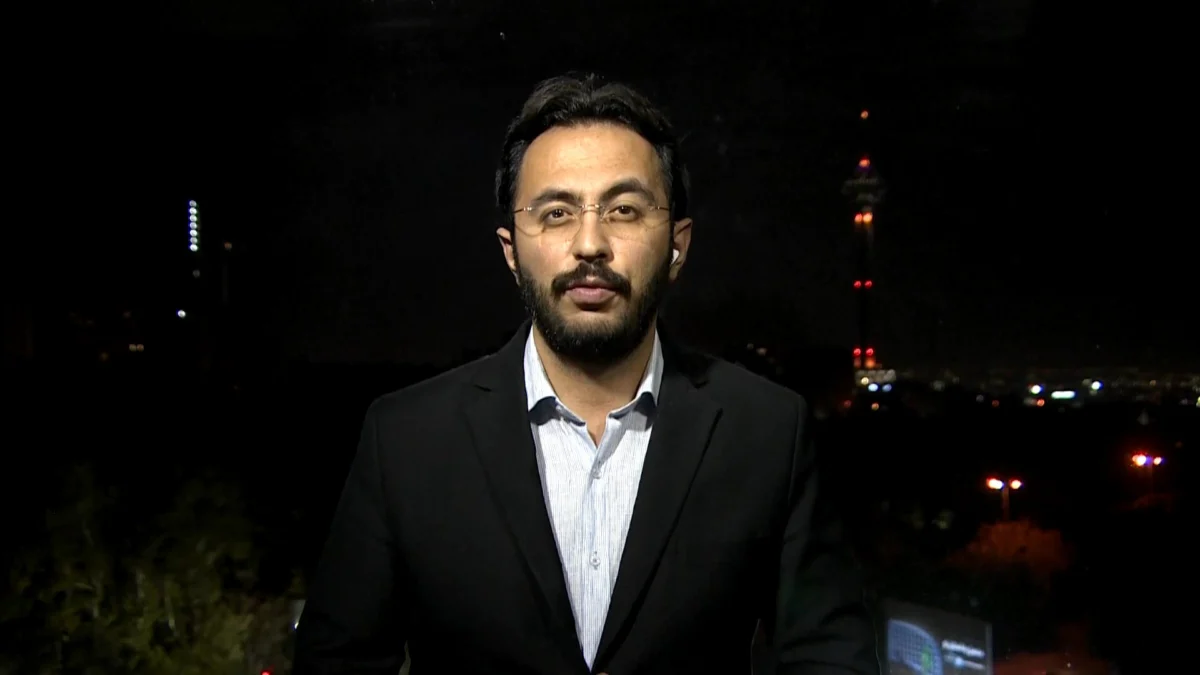
The United States carried out its thirteenth consecutive night of airstrikes in the Persian Gulf region, intensifying military operations that have drawn sharp condemnation and stern warnings of retaliation from Iran. The ongoing aerial bombardment, detailed by Al Jazeera’s Tohid Asadi reporting from Tehran, has heightened regional tensions, with Iranian leaders asserting that further American aggression could provoke responses targeting Gulf nations allied with Washington. This protracted campaign marks a significant escalation in a volatile geopolitical landscape, raising concerns about a wider conflict.
Escalation in the Gulf: A Deepening Crisis
The sustained U.S. military actions represent a significant escalation in the already fraught relationship between the United States and Iran. For over a decade, the region has been a focal point of geopolitical competition, with proxy conflicts and diplomatic standoffs frequently flaring. These recent strikes, however, signify a more direct and sustained engagement, prompting fears of a broader confrontation that could destabilize the entire Middle East. The U.S. has not officially detailed the specific targets or objectives of these repeated strikes, adding to the uncertainty and fueling speculation about the administration’s long-term strategy in the Gulf.
Iran’s Veiled Threats and Regional Repercussions
Iranian officials have been unequivocal in their response, framing the U.S. actions as a provocation that necessitates a strong countermeasure. The implicit threat of retaliation against Gulf nations, many of which host U.S. military bases and maintain close ties with Washington, underscores the gravity of the situation. This stance positions Iran as a formidable regional power, willing to leverage its influence and potential alliances to deter further aggression. The geopolitical implications are immense, as a conflict involving Iran and its allies could draw in numerous regional and international actors, potentially disrupting global energy markets and triggering a humanitarian crisis.
Background: A History of Tensions
The current military actions are not occurring in a vacuum. The relationship between the United States and Iran has been characterized by decades of animosity, stemming from the 1979 Iranian Revolution and subsequent events. This history includes periods of proxy warfare, economic sanctions, and diplomatic impasses, with both nations accusing each other of destabilizing actions in the region. Previous U.S. administrations have engaged in targeted strikes against Iranian-backed militias and facilities, but the sustained nature of the current campaign suggests a shift in U.S. policy or a reaction to specific, undisclosed provocations.
The broader context also includes the complex web of alliances and rivalries that define the Middle East. Saudi Arabia, the United Arab Emirates, and other Gulf monarchies often find themselves on opposing sides of Iran’s regional ambitions, creating a volatile environment where any spark could ignite a wider conflagration. The presence of U.S. military assets throughout the Gulf is a critical factor, serving as both a deterrent and a potential target in any escalating conflict.
The Latest Strikes: Unfolding Events
The commencement of the thirteenth night of strikes indicates a deliberate and sustained U.S. military posture. While specific details regarding the targets, munitions used, and any reported casualties remain scarce, the frequency of these operations suggests a determined effort to degrade specific capabilities or deter certain actions attributed to Iran or its proxies. Al Jazeera’s correspondent in Tehran has provided eyewitness accounts and reporting from within Iran, offering a perspective on the domestic perception and official response to the ongoing U.S. military presence and actions.
The Iranian government’s warnings are being closely monitored by international observers and regional governments. The rhetoric suggests a willingness to move beyond diplomatic channels and engage in direct military confrontation if perceived threats persist. This escalatory language, coupled with the persistent U.S. strikes, creates a dangerous feedback loop that could rapidly spiral out of control.
Analysis: Strategic Objectives and Potential Outcomes
The strategic objectives behind the prolonged U.S. strikes are subject to intense speculation. Possibilities include an effort to disrupt Iranian weapon development programs, counter perceived Iranian aggression in regional waterways, or signal unwavering support for U.S. allies in the Gulf. The lack of transparency from the U.S. administration fuels these debates, leaving analysts and policymakers to interpret the administration’s intentions based on limited information.
The potential outcomes of this escalating situation are multifaceted and concerning. A direct military confrontation between the U.S. and Iran, or between Iran and its regional adversaries, could have devastating consequences. This could include:
- Disruption of Global Oil Supplies: The Persian Gulf is a critical chokepoint for global oil transportation. Any conflict could severely disrupt supply routes, leading to soaring energy prices and economic instability worldwide.
- Humanitarian Crisis: A wider conflict would inevitably lead to significant civilian casualties, displacement, and a humanitarian catastrophe in an already fragile region.
- Regional Destabilization: The conflict could draw in other regional powers, potentially leading to a full-scale war that engulfs multiple countries and exacerbates existing conflicts.
- Increased Terrorism and Extremism: Periods of heightened instability often provide fertile ground for extremist groups to flourish and recruit, posing a long-term threat to global security.
Public Impact and International Reactions
The ongoing military operations and the looming threat of escalation have a profound impact on the public in the affected region and on global sentiment. For populations living in the Gulf, the constant threat of conflict creates pervasive anxiety and uncertainty. For the international community, the specter of a major war in the Middle East is a grave concern, given the region’s strategic importance and interconnectedness with the global economy.
International reactions have been mixed, with some nations urging restraint and de-escalation, while others express solidarity with the U.S. or its regional partners. The United Nations and other international bodies are likely to be involved in diplomatic efforts to mediate the crisis, but their effectiveness will depend on the willingness of the primary actors to engage in meaningful dialogue. The global economy, particularly energy markets, is highly sensitive to developments in the Gulf, and any significant disruption could have far-reaching economic consequences.
Consequences and Next Steps
The immediate consequences of the sustained strikes and Iran’s warnings are an intensified arms race and a further hardening of diplomatic positions. Both sides appear to be digging in, making de-escalation increasingly challenging. The next steps will likely involve a delicate balancing act of deterrence, diplomacy, and potential direct engagement.
For the United States, the challenge will be to articulate a clear strategy that achieves its objectives without triggering an uncontrollable escalation. This may involve a combination of continued military pressure, robust diplomatic engagement with regional partners, and a clear communication channel with Iran to prevent miscalculation.
For Iran, the decision to retaliate carries immense risks. The regime will need to weigh the potential benefits of demonstrating strength against the severe consequences of a direct confrontation with the U.S. and its allies.
The international community’s role will be crucial in advocating for a peaceful resolution and preventing the situation from deteriorating further. Efforts to de-escalate tensions, facilitate dialogue, and address the underlying grievances that fuel the conflict will be paramount. The coming days and weeks will be critical in determining whether the region can navigate this perilous path towards stability or descend into a wider, devastating conflict.