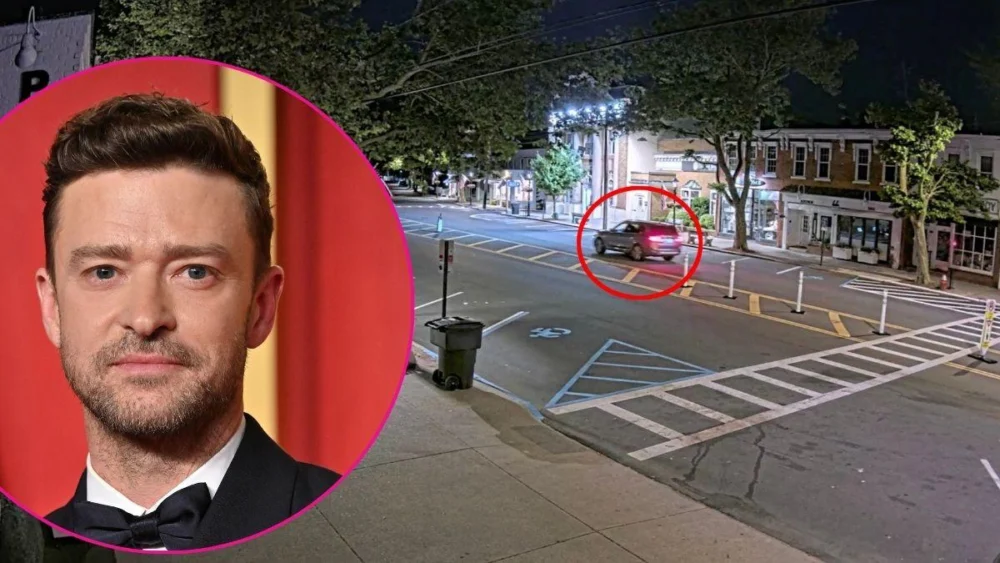
Pop superstar and actor Justin Timberlake has initiated legal proceedings to prevent the public disclosure of police body-camera footage capturing his June 2024 arrest for driving while intoxicated (DWI) in Sag Harbor, New York. The high-profile legal maneuver, filed in Suffolk County Supreme Court, pits the celebrity’s privacy and reputational concerns against the public’s right to information and government transparency, as multiple media organizations have formally requested the footage under New York’s Freedom of Information Law (FOIL).
Background to the Sag Harbor DWI Arrest
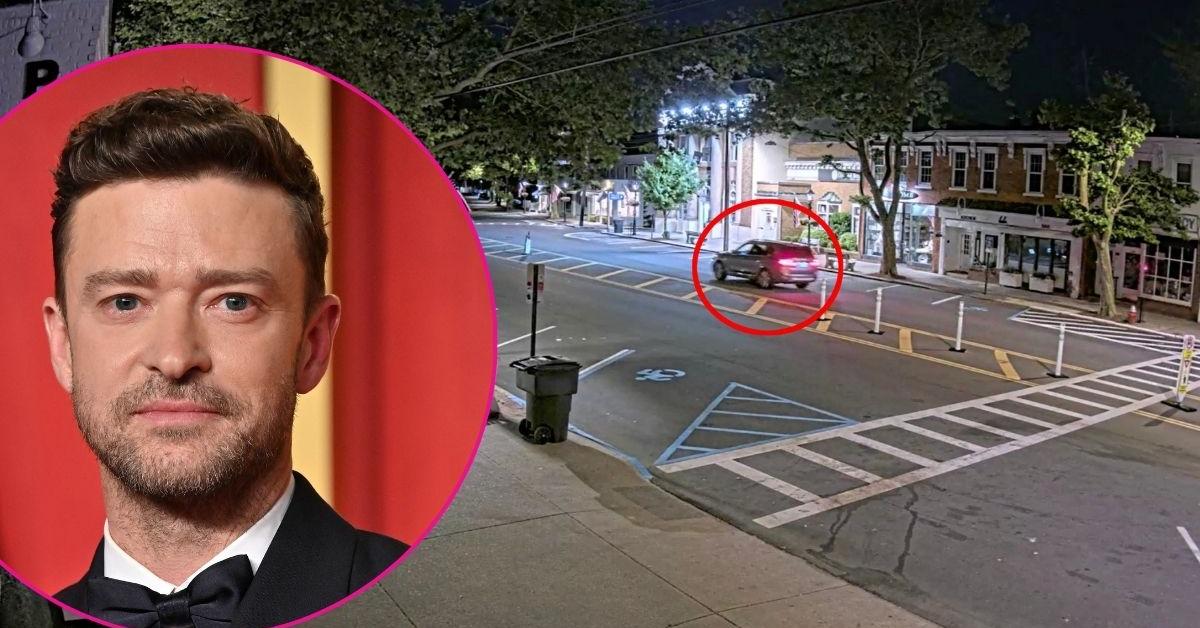
The incident that triggered this legal battle occurred on June 18, 2024, in the affluent Hamptons village of Sag Harbor. Timberlake, known globally for his music career and acting roles, was pulled over by local police and subsequently charged with driving while intoxicated. The arrest quickly garnered international headlines, drawing significant media attention to the quiet Long Island community. Following the arrest, Timberlake later reached a plea agreement, admitting to a lesser noncriminal charge of driving while impaired. As part of his sentencing, he was ordered to complete 25 to 40 hours of community service and pay a fine. At the time, Timberlake publicly acknowledged his mistake, expressing hope that others might learn from his experience. However, the saga continued into early 2026, when the legal team representing the star moved to block the release of the body camera recordings.
The Legal Offensive: Seeking to Suppress DWI Arrest Footage
The petition filed by Timberlake’s attorneys specifically targets the Village of Sag Harbor and its police department, seeking a judicial order to prohibit them from disseminating the video evidence. This legal action comes after numerous media outlets, leveraging New York’s Freedom of Information Law, sought access to the body-camera recordings, which are typically considered public records in cases involving law enforcement interactions. The move underscores a growing tension between the increasing use of body-worn cameras by police, intended to enhance accountability and transparency, and the privacy rights of individuals, particularly public figures, who are recorded during sensitive encounters.

Arguments for Privacy and Reputation in the DWI Case
Central to Timberlake’s legal argument is the assertion that the body-camera footage captures him in an "acutely vulnerable state" during his roadside interaction with law enforcement. His attorneys contend that releasing such intimate and potentially embarrassing recordings would inflict "severe and irreparable harm" upon both his personal and professional reputation. They argue that the public disclosure of these moments could expose him to "public ridicule and harassment," jeopardizing his career and public standing.
The legal team further elaborated that the recordings are not limited to the immediate moment of arrest but extend for approximately eight hours. This lengthy duration, they claim, includes detailed depictions of Timberlake’s appearance, speech, and behavior during field sobriety testing and the subsequent hours following his apprehension. Such prolonged and granular insight into a private moment, they argue, delves beyond legitimate public interest in government transparency and into realms of personal privacy that should remain protected. Furthermore, the petition highlights that the footage may also inadvertently capture bystanders and other individuals who have their own legitimate privacy concerns regarding the public release of their images or interactions.

Transparency vs. Celebrity Privacy: A Broader Implication of the DWI Video
This legal battle illuminates a broader societal debate concerning the balance between governmental transparency and individual privacy, particularly in the context of high-profile individuals and modern policing. Freedom of Information laws are designed to ensure that government operations, including law enforcement activities, are open to public scrutiny. The widespread adoption of police body cameras has been hailed as a crucial tool for achieving this transparency, providing objective records of interactions between officers and the public, and fostering accountability.
However, the release of such footage, especially when it involves sensitive personal moments, raises complex ethical and legal questions. For celebrities like Justin Timberlake, whose public image is meticulously managed and integral to their livelihood, the uncontrolled dissemination of unflattering or vulnerable moments can have amplified and far-reaching consequences. The legal team’s emphasis on "irreparable harm" to reputation underscores the unique challenges faced by public figures, whose private struggles can quickly become fodder for global media consumption and public judgment. This case could potentially influence how courts interpret and apply FOIL requests when celebrity privacy is invoked, setting a precedent for similar situations in the future.
The Negotiation Mandate and Ongoing Discussions
In response to Timberlake’s petition for a temporary restraining order and preliminary injunction, the presiding judge opted not to issue an immediate ruling. Instead, the court instructed both parties – Timberlake’s legal representatives and officials from the Village of Sag Harbor – to engage in negotiations. This directive signals an attempt to find a mutually agreeable resolution that could potentially balance the competing interests of privacy and transparency without resorting to a definitive judicial order.
Sag Harbor officials had previously indicated a willingness to release some portions of the video, albeit with certain redactions. This suggests an acknowledgement of both the public interest in the footage and the need to protect some sensitive information. Sag Harbor Mayor Thomas Gardella confirmed that the village is actively working to navigate this delicate situation, striving to uphold the principles of transparency while also being mindful of the privacy concerns raised by Timberlake and his legal team. The outcome of these negotiations will determine whether a compromise can be reached or if the legal dispute will proceed to a more protracted court battle, potentially involving further arguments over the extent and nature of redactions, or even a complete block on the release.

Looking Ahead: The Path Forward for the DWI Arrest Video
The ongoing legal proceedings surrounding Justin Timberlake’s DWI arrest video underscore the intricate interplay of celebrity status, personal privacy, and public accountability in the digital age. The widespread deployment of body cameras has undeniably enhanced transparency in law enforcement, providing a critical record of police interactions. However, this technology also creates new frontiers for legal challenges, especially when the subjects are high-profile individuals seeking to protect their public image and personal dignity.
The resolution of this case could take several forms: a negotiated settlement leading to a partial, heavily redacted release of the footage; a court order for full suppression; or a ruling mandating a more extensive release. Each potential outcome carries significant implications for both celebrity privacy norms and the interpretation of public information laws. As negotiations continue, the public and media await to see how this prominent legal contest will ultimately reconcile the right to know with the right to privacy.