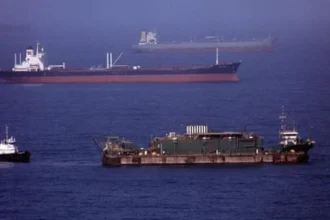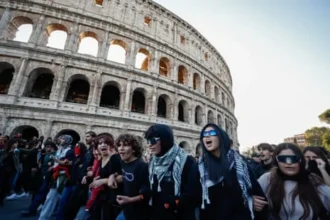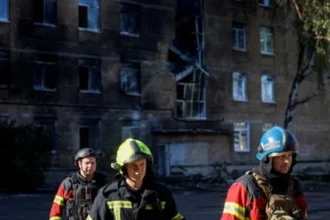
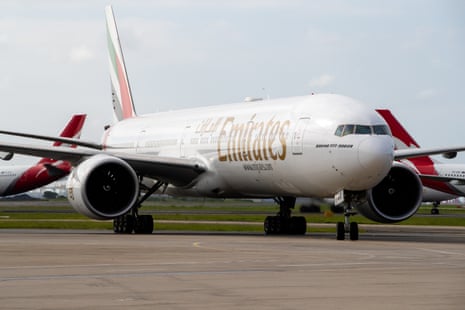
The Australian government has launched a massive diplomatic and logistical effort to assist more than 100,000 citizens currently in the Middle East as regional instability threatens to trigger what officials describe as the largest consular crisis in the nation’s history. Foreign Minister Penny Wong confirmed on Wednesday that while a scheduled flight from Dubai to Sydney offers a glimmer of hope for stranded travelers, the volatility of the security situation continues to dictate the pace of evacuations. The crisis comes amid a backdrop of escalating military strikes involving the United States, Israel, and Iran, which have paralyzed commercial air travel and left thousands of Australians seeking urgent passage home.

Foreign Minister Wong characterized the scale of the emergency as a "consular crisis that dwarfs any that Australia has had to deal with" in terms of raw numbers. Current government data indicates there are approximately 115,000 Australians in the broader Middle East region, with 24,000 located specifically within the United Arab Emirates (UAE). The sudden suspension of many commercial flight paths following retaliatory Iranian strikes against U.S. and Israeli positions has created a bottleneck in major transit hubs like Dubai.
While the government is exploring all available contingencies, Wong emphasized that the resumption of commercial aviation remains the most viable pathway for a mass exit. "That volume of traffic will really need to see commercial flights resume, even if only sporadically, to get people home," Wong stated during an address to the national broadcaster. The administration is currently engaged in high-level negotiations with regional partners, particularly the UAE, to secure priority for Australian citizens as flight schedules are intermittently restored.
Diplomatic Maneuvering and Presidential Coordination
Prime Minister Anthony Albanese has escalated the government’s response through direct leader-to-leader diplomacy. On Tuesday evening, Albanese spoke with UAE President Sheikh Mohammed bin Zayed Al Nahyan to discuss the plight of Australians trapped in the Emirates due to the ongoing conflict. The Prime Minister expressed his gratitude for the UAE’s support during the crisis and stressed the critical importance of reopening air corridors as quickly as security allows.
The Prime Minister also coordinated with New Zealand Prime Minister Christopher Luxon, reflecting the shared challenge faced by both nations in extracting citizens from a war zone. The conflict, which intensified following a 12-day period of heightened hostilities, has effectively shuttered much of the airspace over the Levant and parts of the Persian Gulf. For Australia, the logistical nightmare is compounded by the geographic distance and the reliance on a handful of major international carriers that have largely suspended operations in the area.
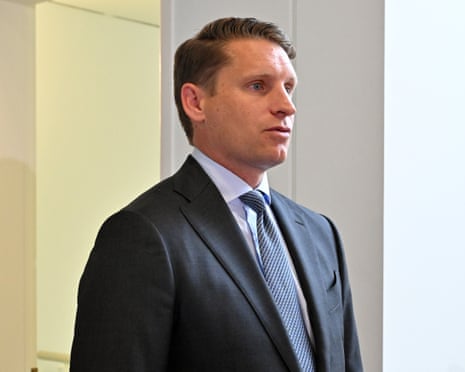
Trade Minister Don Farrell provided further context on the economic fallout, noting that while the primary focus remains on human safety, approximately $15 billion in Australian trade passes through the Middle East. Farrell is scheduled to meet with 40 of the nation’s largest trade organizations on Wednesday to mitigate the impact of the war on exports. He noted that trade with the UAE had been on a significant upward trajectory following a recent free trade agreement, including a doubling of beef exports that is now threatened by the regional conflagration.
Political Theater in Canberra Over Liberal Party Post-Mortem
As the government manages the international emergency, domestic politics in Canberra have reached a fever pitch following a maneuver by Prime Minister Albanese that has been characterized as a "boss move" by his political opponents. During a session of Parliament, the Prime Minister tabled a leaked internal review of the Liberal Party’s recent election performance. The document, which the opposition had reportedly attempted to shelve, offered a scathing critique of the party’s campaign strategy and leadership.
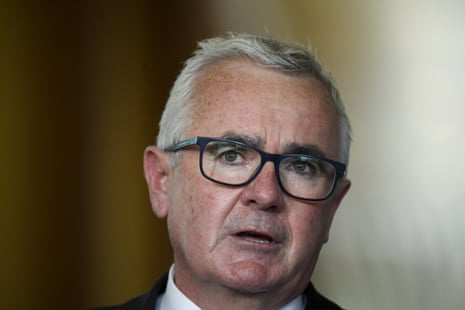
Shadow Minister for Industry and Sovereign Capability Andrew Hastie acknowledged the effectiveness of the Prime Minister’s "stagecraft," noting that Albanese appeared to have a "twinkle in his eye" while delivering the document. However, Hastie urged a shift in focus toward the future, arguing that the Coalition is committed to restoring the Australian standard of living rather than litigating past failures. The leaked review reportedly characterized the Liberal campaign as one of its worst, citing issues ranging from leadership perception to "weird" policy positions on nuclear energy.
The tabling of the document has reignited debates over the transparency of political parties and the role of internal reviews in shaping public perception. While Labor supporters viewed the move as a masterclass in political maneuvering, critics argued it served as a distraction from pressing economic issues and the unfolding crisis in the Middle East.
Debating the Global Order and the End of Traditional Alliances
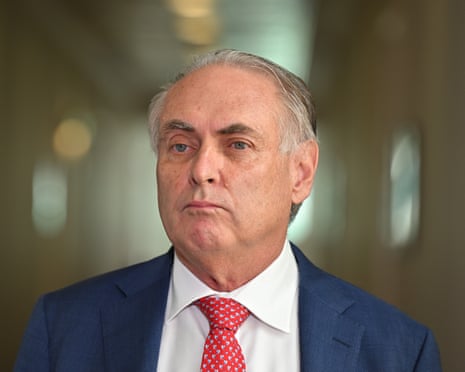
The geopolitical implications of the current Middle East conflict have prompted some Australian lawmakers to question the stability of the long-standing international rules-based order. Andrew Hastie argued that the current global construct, including the influence of the United Nations, has become "defunct." He pointed to the unilateral actions of the United States under President Donald Trump as evidence of a new era of "mercantilism" and "opportunism."
Hastie’s comments reflect a growing anxiety within certain sectors of the Australian parliament regarding the nation’s military and economic self-sufficiency. He warned that Australia’s shrinking industrial base and its limited fuel reserves—estimated at roughly 30 days—make the country dangerously vulnerable to international disruptions. "If our shipping lines are cut, then our whole economy could grind to a halt very quickly," Hastie warned, calling for a more resilient and independent Australian defense posture.
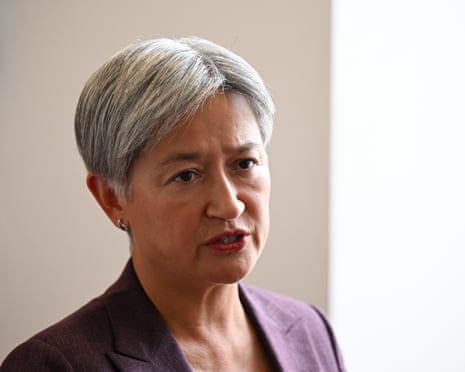
This sentiment was echoed with a different perspective by Independent MP Andrew Wilkie, a former senior intelligence analyst. Wilkie drew "alarming parallels" between the current strikes on Iran and the lead-up to the 2003 invasion of Iraq. He accused the U.S. administration of using "political tricks" to boost polling numbers ahead of the midterm elections, suggesting that the justifications for the current military actions have been "exaggerated." Wilkie noted that the lack of United Nations approval for the strikes undermines global stability and risks dragging allies into a prolonged and unnecessary conflict.
Victoria and New South Wales Pivot to Domestic Policy Reforms
While the federal government grapples with global instability, state governments are pushing forward with significant legislative changes aimed at labor rights and infrastructure investment. In Victoria, Premier Jacinta Allan announced that the right to work from home two days a week will be enshrined in the state’s Equal Opportunity Act. The new laws are slated to take effect on September 1, making it unlawful for businesses to discriminate against employees who seek flexible work arrangements, provided their roles can reasonably be performed remotely.

This move has become a central pillar of the Labor Party’s re-election platform in Victoria. By utilizing the Equal Opportunity Act, the state government aims to bypass traditional industrial relations hurdles. Premier Allan stated that the reform is designed to make life "easier, safer, and more affordable" for Victorian families, though business groups have expressed concerns regarding the impact on office occupancy and urban economic activity.
Simultaneously, the New South Wales government has unveiled a $34.4 billion investment package through its newly created Investment Delivery Authority (IDA). The package includes 16 major projects, with a heavy emphasis on clean energy and battery storage. Treasurer Daniel Mookhey described the IDA as a "concierge service" designed to cut through bureaucratic red tape for projects of state significance. Among the endorsed projects are AGL’s Hunter energy hub and several large-scale wind and solar farms, alongside a controversial gas pipeline project acquired by Santos.

Public Health Advocacy and the Fight Against Harmful Marketing
In a separate domestic development, a coalition of over 130 health organizations has launched the "Give Us an Ad Break" campaign. The initiative calls for the federal government to introduce a "Harmful Products Marketing Act" to curb the "relentless" advertising of gambling, alcohol, and junk food. The proposed legislation is modeled after Australia’s landmark tobacco plain-packaging laws and seeks to reduce children’s exposure to products linked to chronic diseases and financial harm.
Professor Anna Peeters, CEO of VicHealth, argued that limiting such advertising is an "evidence-based opportunity" to reshape the environment in which Australian children grow up. Recent surveys indicate strong public support for the measure, with four in five Australians reportedly in favor of stricter regulations on the marketing of harmful products. The campaign places additional pressure on the Albanese government to balance the interests of the media and gaming industries against public health outcomes.

Accountability and the Role of Parliamentary Watchdogs
The efficacy of government oversight has also come under scrutiny following the first public statement from the Independent Parliamentary Standards Commission (IPSC). Independent Senator Lidia Thorpe criticized the watchdog as "powerless," following its investigation into offensive social media comments made by Senator Ralph Babet. While the IPSC sanctioned Babet, his refusal to comply resulted only in a public naming, leading Thorpe to argue that the body lacks the teeth to address systemic issues like racism and the mistreatment of women in Parliament.
Thorpe called for greater transparency in the IPSC’s deliberations, warning that a "closed-door process" dominated by the major political parties undermines public confidence. The debate over parliamentary standards continues as lawmakers grapple with how to enforce a code of conduct in a workplace historically resistant to external oversight.
As Australia navigates these overlapping international and domestic challenges, the government’s ability to manage the Middle East consular crisis will likely serve as a defining test of its diplomatic capability. With tens of thousands of lives and billions of dollars in trade at stake, the focus remains on securing the safe return of citizens while maintaining the nation’s economic and political stability at home.