A prolonged disruption in the vital Strait of Hormuz could plunge the world into a dire food catastrophe, the Food and Agriculture Organization (FAO) of the United Nations has warned, citing the ongoing US-Israel conflict with Iran as the direct cause of blocked shipments of critical agricultural inputs. The international body’s stark assessment highlights the profound vulnerability of global food security to geopolitical instability in this crucial maritime chokepoint.
The immediate impact on food prices has been masked, for now, by existing stockpiles that are absorbing the shockwaves emanating from the strait. Maximo Torero, the FAO’s chief economist, explained in a recent interview that while current food availability remains stable, this situation is precarious. Any continued blockage of this critical waterway will inevitably translate into significantly higher commodity and retail prices, a consequence that could begin to manifest later this year and persist well into 2027.
David Laborde, director of the FAO’s Agrifood Economics Division, echoed Torero’s concerns, emphasizing the urgent need for maritime traffic through the Strait of Hormuz to resume. He elaborated that the current crisis is fundamentally an "input crisis," and without swift action, it risks escalating into a full-blown catastrophe for global food systems. The distinction between the two, he stressed, hinges entirely on the proactive measures taken by international actors.
The Critical Role of the Strait of Hormuz in Global Agriculture
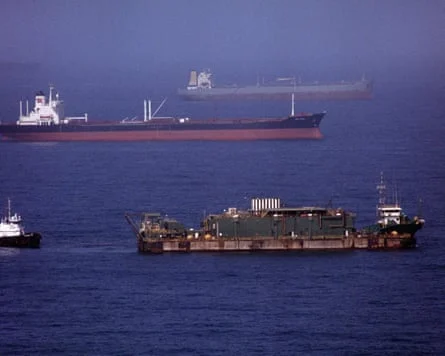
The Strait of Hormuz, a narrow waterway connecting the Persian Gulf to the open ocean, serves as a vital artery for international trade, particularly for energy and agricultural commodities. According to FAO data, a significant portion of essential agrifood inputs, ranging from 20% to 45%, relies on sea passage through this strategic chokepoint. This heavy dependence underscores the potential for widespread disruption to ripple across global food supply chains.
The implications for the fertilizer market are particularly acute. Nearly half of the world’s traded urea, the most widely utilized fertilizer globally, is exported from Gulf countries via the Strait of Hormuz. Additionally, substantial volumes of other crucial fertilizers also transit this route. Consequently, global agriculture is exceptionally exposed to any interruption of traffic in this maritime corridor.
Escalating Tensions and the Fertilizer Crisis
Recent disruptions to both gas supplies and shipping routes have already compelled numerous fertilizer plants in the Gulf region and beyond to curtail or cease production. These facilities are heavily reliant on natural gas as a primary feedstock for fertilizer manufacturing. As a result, the ongoing geopolitical friction has directly impacted the availability and cost of these essential agricultural inputs.
If maritime traffic through the Strait of Hormuz remains stalled, farmers worldwide will face a stark choice: either reduce fertilizer application, thereby diminishing crop yields, or absorb increased production costs by raising the prices of their products. This potential scenario poses a significant threat to food affordability and accessibility, especially for vulnerable populations.
The ticking clock on global food security
"The clock is ticking," Torero declared, emphasizing the critical importance of a sustained ceasefire and the unimpeded movement of vessels. He underscored that delays in accessing key agricultural inputs, particularly for countries with established planting calendars, could rapidly translate into reduced agricultural output, heightened inflation, and a slowdown in global economic growth. Poorer nations, he warned, are disproportionately vulnerable to these cascading effects.
Timeline of Events and Escalation
The current crisis in the Strait of Hormuz stems from escalating tensions between Iran, the United States, and Israel. Following a significant escalation involving the death of Iran’s Supreme Leader Ayatollah Ali Khamenei on February 28th, Iran has reportedly brought traffic through the strait to a near-total halt. This action has been presented as a direct response to perceived aggression from the US and Israel.
The immediate consequence of this disruption has been a burgeoning global energy crisis, with oil and gas prices at times doubling compared to pre-conflict levels. The economic fallout from this energy shock is already being felt worldwide, further exacerbating existing inflationary pressures.
Efforts to de-escalate the situation have so far yielded limited results. Over the past weekend, Iranian and US representatives engaged in an extensive 21-hour negotiation aimed at securing a permanent ceasefire. However, the talks ultimately failed to achieve a breakthrough, leaving the future of maritime traffic through the strait uncertain.
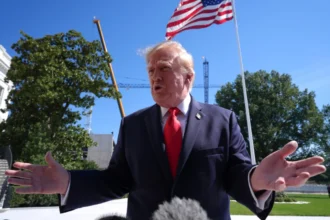
In the wake of the failed negotiations, U.S. President Donald Trump announced a decision to impose a naval blockade on the Strait of Hormuz. He stated that the U.S. Navy would actively pursue and interdict any vessels in international waters that had paid Iran a toll to traverse the waterway. Further compounding the situation, the U.S. military later declared its intention to block all maritime traffic entering and exiting Iranian ports, including those located in the Gulf and the Gulf of Oman. This aggressive stance signals a significant escalation in the geopolitical standoff and raises serious concerns about the potential for wider conflict and its devastating impact on global trade.
Broader Economic and Societal Ramifications
The potential for a global food catastrophe extends beyond mere price increases. A sustained disruption to agricultural input supplies could lead to widespread food shortages, particularly in import-dependent nations. This could trigger humanitarian crises, mass displacement, and increased political instability in already fragile regions.
The agricultural sector itself faces immense pressure. Farmers, already grappling with the impacts of climate change and other economic challenges, would be further burdened by the escalating costs of essential inputs like fertilizers and fuel. This could lead to a significant decline in agricultural productivity, a reduction in food diversity, and a long-term impact on global food reserves.
The interconnectedness of the global economy means that a food crisis in one region can have ripple effects far beyond its borders. Increased food prices can fuel social unrest and political instability, potentially drawing in other nations and exacerbating geopolitical tensions. The FAO’s warning serves as a stark reminder that disruptions in seemingly localized conflicts can have profound and far-reaching consequences for all of humanity.
The Path Forward: Diplomacy and Mitigation
The FAO’s message is clear: the difference between an input crisis and a global food catastrophe lies in the actions taken by governments and international bodies. A sustained ceasefire and the immediate resumption of maritime traffic through the Strait of Hormuz are paramount. Diplomatic channels must be prioritized to de-escalate tensions and find a peaceful resolution to the ongoing conflict.
Beyond immediate de-escalation, the international community must also consider long-term strategies to enhance the resilience of global food systems. This includes diversifying supply chains, investing in sustainable agricultural practices that reduce reliance on imported inputs, and strengthening early warning systems for potential food security threats. The current crisis in the Strait of Hormuz serves as a critical wake-up call, demanding urgent and concerted action to safeguard global food security for the present and future.