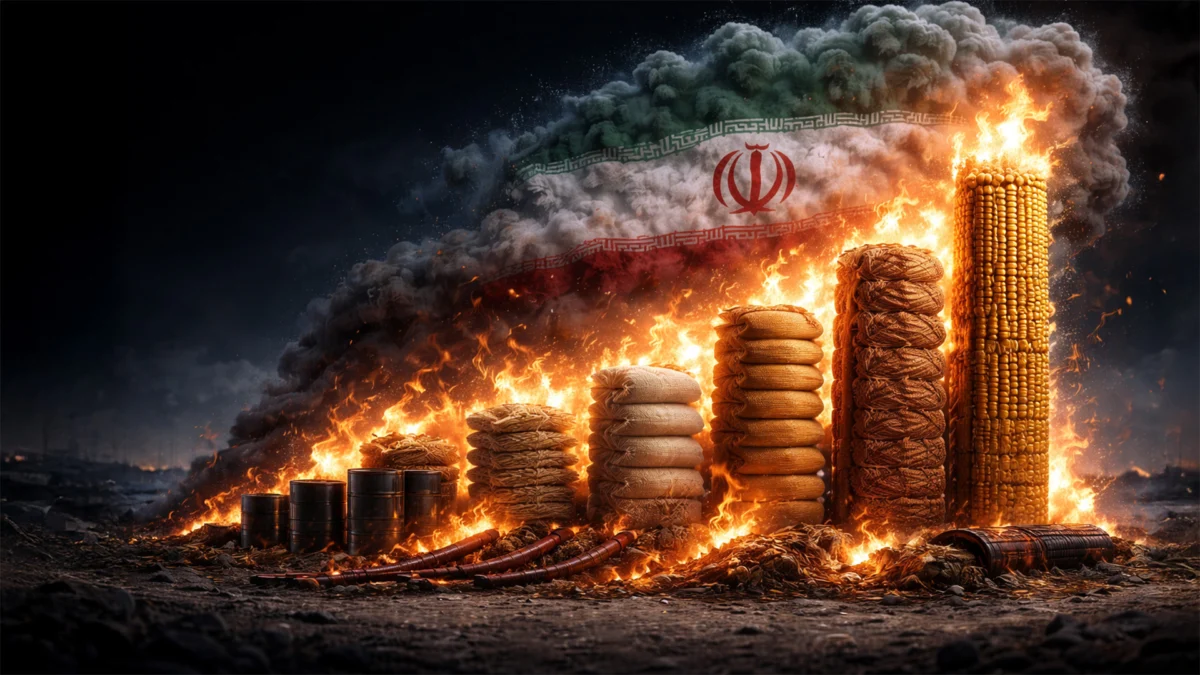
The escalating conflict involving Iran is not only disrupting global energy markets but is now presenting a grave threat to worldwide food security, pushing up costs and exacerbating hunger for millions. Vessels rerouted from the critical Strait of Hormuz are creating cascading effects on supply chains, a situation that economists and international organizations warn could lead to a significant global food shock if the conflict persists.
The Echoes of Conflict: From Oil Prices to Empty Plates
The initial tremors of the Iran war were felt in the energy sector, as fears of supply disruptions sent oil prices soaring. However, the ramifications are now extending far beyond the gasoline pump, impacting the fundamental availability and affordability of food. This is not merely an economic inconvenience; it is a humanitarian crisis in the making, with the United Nations sounding the alarm about a potential surge in acute hunger.
The blockage or significant disruption of the Strait of Hormuz, a vital chokepoint for global oil and trade, has immediate and far-reaching consequences. Maritime traffic is forced onto longer, more expensive routes, increasing shipping costs for a vast array of goods. When applied to the agricultural sector, these increased transportation expenses translate directly into higher prices for consumers, from the farm to the supermarket aisle.
Strait of Hormuz: A Lifeline Under Threat
The Strait of Hormuz, a narrow waterway connecting the Persian Gulf to the open ocean, is one of the world’s most crucial maritime passages. Approximately 30% of the world’s seaborne oil trade passes through this strategic chokepoint daily, making it a linchpin of the global economy. Any significant disruption here, whether through direct conflict or the imposition of blockades, has immediate and severe implications for energy supplies and international trade.
The current geopolitical tensions, which have escalated into a de facto war scenario involving Iran, have placed this vital artery under immense pressure. Naval blockades, mine warfare, or even the mere threat of such actions can force shipping companies to halt operations or seek vastly longer and more perilous alternative routes. This not only adds days, sometimes weeks, to transit times but also significantly inflates insurance premiums and fuel costs for vessels.
Cascading Supply Chain Disruptions: A Global Ripple Effect
The impact of rerouted shipping and increased transit times extends far beyond the immediate vicinity of the conflict. Businesses across continents are grappling with extended lead times for raw materials and finished products. For the food industry, this means delays in the delivery of grains, edible oils, fertilizers, and other essential agricultural inputs.
Manufacturers face higher operational costs due to increased energy prices and transportation expenses. These costs are inevitably passed on to consumers, leading to a broad-based inflation that affects nearly every category of goods. From the cost of producing processed foods to the price of fresh produce at local markets, the ripple effects are tangible and widespread.
The Looming Shadow of Global Food Insecurity
The United Nations has issued stark warnings regarding the potential for a severe global food shock. The confluence of rising food, oil, and shipping costs is projected to push an additional 45 million people into a state of acute hunger. This grim statistic would propel the global total of individuals facing severe food insecurity above the already record-high figure of 319 million.
Acute hunger, as defined by international bodies, signifies a critical lack of access to food, leading to malnutrition, starvation, and increased mortality rates. The prospect of an additional 45 million people falling into this category represents a profound humanitarian crisis, disproportionately affecting vulnerable populations in developing nations.
Historical Precedents: Lessons from Past Shocks
The world has experienced significant food shocks in the past, often triggered by a combination of factors including conflict, climate change, and economic instability. The food price spikes of 2007-2008, for instance, led to widespread riots and social unrest in several countries, highlighting the fragility of global food systems. More recently, the COVID-19 pandemic exposed the vulnerabilities of complex supply chains, leading to temporary shortages and price increases for various food items.
The current situation, with the added volatility of a major geopolitical conflict in a region critical for global trade, carries echoes of these past crises. The interconnectedness of the global economy means that disruptions in one area can quickly propagate, creating a domino effect that impacts food availability and affordability worldwide.
Key Agricultural Commodities at Risk
Several key agricultural commodities are particularly vulnerable to disruptions stemming from the Iran conflict. Grains such as wheat and corn, essential staples for billions, are often transported via maritime routes that could be affected. Similarly, edible oils, critical components in many food products, are also susceptible to supply chain disruptions.
The availability and cost of fertilizers, which are crucial for agricultural productivity, are also a concern. Many fertilizer components and finished products are shipped globally, and increased energy costs and shipping disruptions can significantly impact their price and availability, potentially leading to reduced crop yields in subsequent growing seasons.
The Iran War’s Impact on Shipping Lanes
The Strait of Hormuz is not the only maritime route potentially affected by the conflict. The broader geopolitical tensions in the Persian Gulf region and beyond can influence shipping activity in the Arabian Sea, the Indian Ocean, and even the Suez Canal, a critical gateway for East-West trade. Any escalation or expansion of the conflict could lead to wider naval diversions and increased transit risks.
Shipping companies are meticulously assessing risk, with some opting to avoid the region altogether. This leads to increased demand for alternative routes, such as the longer journey around the Cape of Good Hope, further driving up costs and transit times for goods destined for Europe, Africa, and the Americas.
Economic Consequences: Inflation and Consumer Strain
The inflationary pressures stemming from increased energy and shipping costs are a direct burden on consumers. Households worldwide are already contending with the lingering effects of post-pandemic inflation, and a new surge in food prices would exacerbate economic hardship. For lower-income households, where food constitutes a larger proportion of their budget, the impact can be devastating, forcing difficult choices between food, healthcare, and other essential needs.
Businesses, particularly those in the food processing and retail sectors, face a difficult balancing act. They must decide whether to absorb increased costs, risking reduced profit margins, or pass them on to consumers, potentially dampening demand and impacting sales volumes. Small businesses, often with less financial resilience, are particularly vulnerable to these economic pressures.
Geopolitical Ramifications and Diplomatic Efforts
The potential for a global food shock adds another layer of complexity to the already intricate geopolitical landscape surrounding the Iran conflict. Food insecurity can fuel social unrest and political instability, creating additional challenges for governments and international aid organizations.
Diplomatic efforts are underway to de-escalate tensions and ensure the unimpeded flow of essential goods. International bodies, including the United Nations, are actively engaging with regional powers and global stakeholders to mitigate the humanitarian consequences of the conflict. However, the path to a peaceful resolution remains fraught with challenges.
The Role of International Aid and Humanitarian Response
As the specter of widespread hunger looms, the role of international aid and humanitarian response becomes increasingly critical. Organizations like the World Food Programme are already stretched thin by existing crises, and a significant increase in the number of people requiring assistance would place immense strain on their resources.
Ensuring that food aid can reach those most in need will be a formidable challenge, especially if supply chains remain disrupted. Diversions of shipping, increased security risks, and inflated transportation costs can all hinder the efficient delivery of vital supplies.
Looking Ahead: The Long Shadow of Uncertainty
The duration and intensity of the conflict involving Iran will be the primary determinant of the scale of the global food shock. A protracted conflict would amplify the existing pressures on supply chains, leading to sustained high prices and a prolonged period of food insecurity for millions.
Even a swift de-escalation would not immediately resolve the underlying issues. The rerouting of ships and the rebuilding of strained supply chains would take time, and the economic scars of increased costs and disruptions would likely linger. The world is watching closely, hoping that diplomacy will prevail and avert a crisis that threatens to undo decades of progress in combating global hunger. The interconnectedness of our world means that conflicts far from home can have a profound and devastating impact on the dinner tables of families across the globe, underscoring the urgent need for peace and stability.