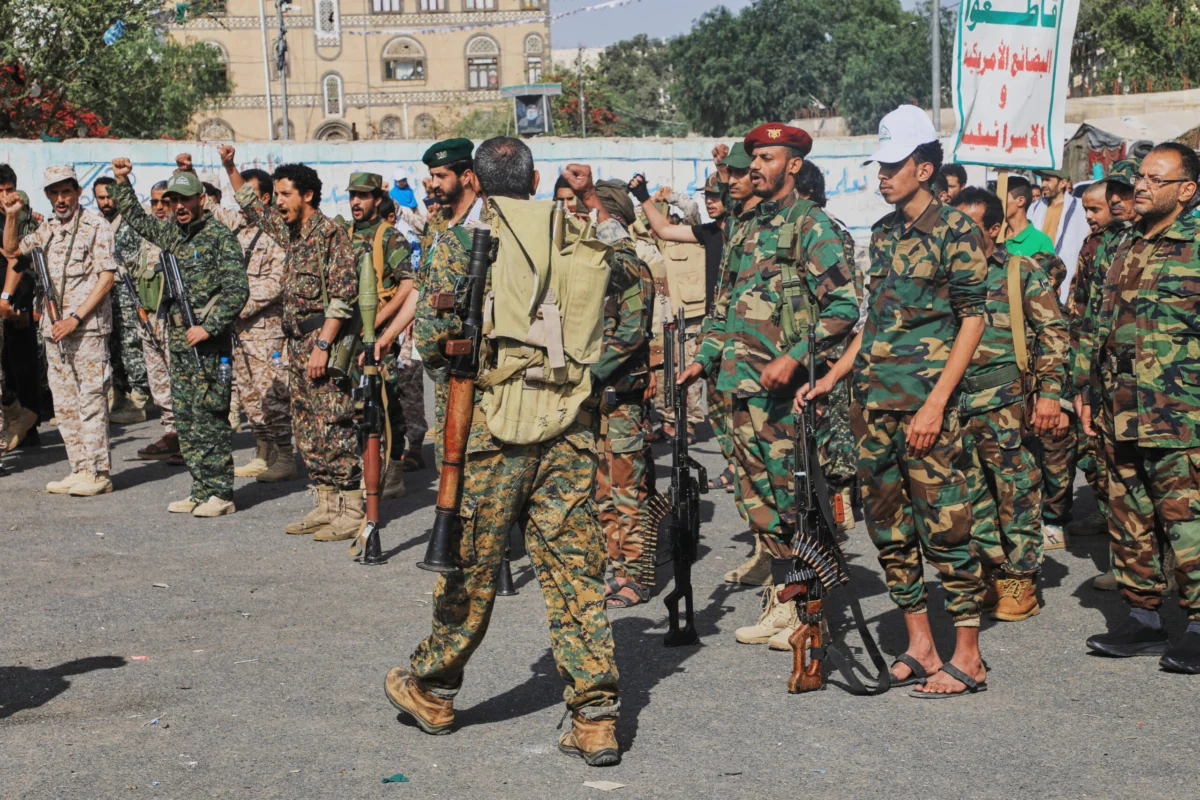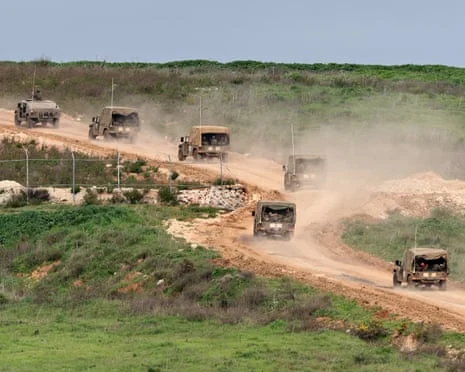
Israeli Prime Minister Benjamin Netanyahu announced a significant expansion of military operations in southern Lebanon on Wednesday, as Tehran signaled that any potential truce with the United States must include a total cessation of hostilities against Hezbollah. The twin developments mark a dangerous escalation in the month-long regional conflict, with Israeli forces pushing deeper into Lebanese territory to establish what they describe as a "permanent security zone." In a video statement, Netanyahu confirmed that the Israel Defense Forces (IDF) are broadening a "buffer zone" to push Hezbollah’s anti-tank missile threat away from the northern border, preventing any infiltration toward the Galilee.
The Israeli government’s strategy in southern Lebanon has moved beyond temporary incursions toward a more structured occupation of southern areas. Defense Minister Israel Katz informed military leadership that Israeli forces intend to maintain control over the region up to the Litani River, situated approximately 20 miles north of the Israeli border. Katz confirmed that the IDF has systematically destroyed bridges over the river, effectively isolating the southern region from the rest of Lebanon. This tactic has drawn sharp criticism from international observers who fear a repeat of the protracted 1982-2000 occupation, especially as hundreds of thousands of displaced Lebanese civilians remain unable to return to their homes.
Iran says Lebanon must be part of any ceasefire to ensure regional stability
While Israel consolidates its ground positions, diplomatic efforts to end the broader war remain mired in contradiction. Six regional sources familiar with the matter reported that Iran has informed international intermediaries that Lebanon must be part of any ceasefire agreement. Tehran’s position links the end of the air war between the U.S.-Israeli coalition and Iran directly to the fate of Hezbollah. According to Iranian officials, a truce that leaves Hezbollah vulnerable to continued Israeli ground operations is unacceptable. This demand complicates the Trump administration’s 15-point peace proposal, which reportedly prioritizes the disarming of Hezbollah and the cessation of Iranian "proxy activities."

The diplomatic standoff is further clouded by conflicting reports from within the Iranian government. While some senior officials in Tehran suggested the U.S. proposal is still under review, state-owned media outlets have categorized the 15-point plan as "excessive" and rejected it outright. Iranian Foreign Minister Abbas Araghchi stated that while messages are being exchanged through mediators like Pakistan, "negotiations" in a formal sense are not taking place. Araghchi insisted that Tehran has no intention of holding direct talks with Washington at this time, claiming the U.S. has failed to achieve its military objectives of regime change.
Israel expands occupation of southern areas amid annexation calls
Within the Israeli cabinet, the rhetoric has shifted toward a more permanent territorial vision. While Netanyahu uses the term "security zone," far-right Finance Minister Bezalel Smotrich has openly called for the "application of sovereignty" over southern Lebanese territory. This expansionist vision has alarmed critics both in Israel and abroad, who argue that the destruction of civilian infrastructure—including water systems and medical facilities—indicates a plan to make the region uninhabitable for the local population. Human Rights Watch has also raised alarms over the IDF’s alleged use of white phosphorus in these southern operations.
The humanitarian toll in Lebanon has reached critical levels, with the health ministry reporting at least 1,100 deaths and the displacement of one-fifth of the nation’s population. UN Secretary-General António Guterres warned Wednesday that the conflict is "out of control" and that the world is "staring down the barrel of a wider war." Guterres urged an immediate end to the escalation, noting that the "Gaza model" of total infrastructure destruction must not be replicated in Lebanon. Despite these warnings, the IDF has signaled that strikes on Hezbollah will continue independently of any progress made on the Iranian front.
Operation Epic Fury and the degradation of Iranian naval power
In Washington, the White House has maintained an authoritative stance on the success of its military campaign against Iran, dubbed "Operation Epic Fury." White House Press Secretary Karoline Leavitt claimed that the U.S. is "annihilating" the Iranian Navy, reporting the destruction of 140 vessels, including nearly 50 mine-layers. Leavitt asserted that Iranian ballistic missile and drone attacks have decreased by 90% since the operation began three weeks ago. She emphasized that while President Trump prefers peace, he is prepared to "unleash hell" if Tehran refuses to accept the current military reality.
The U.S. military presence in the region continues to grow despite the administration’s claims of nearing a diplomatic breakthrough. Reports indicate that at least 1,000 additional troops from the 82nd Airborne Division have been approved for deployment to join the 50,000 soldiers already stationed in the Middle East. This buildup has triggered warnings from Iranian Parliament Speaker Mohammad Bagher Ghalibaf, who cautioned that Tehran is monitoring all U.S. movements. Ghalibaf warned that any attempt to occupy Iranian territory, specifically mentioning strategic islands in the Gulf, would result in relentless attacks on the infrastructure of any regional country supporting such a move.
Global economic consequences of the Middle East crisis
The ongoing Middle East crisis has sent shockwaves through the global economy, primarily due to the effective closure of the Strait of Hormuz. While Iran recently suggested that "non-hostile" vessels might be allowed safe passage, the World Trade Organization (WTO) has warned of impending food scarcity. A third of the world’s fertilizer supplies normally transit the strait, and the disruption is expected to cause harvests to shrink and prices to rise significantly by next year. Major food exporters like Brazil, India, and Thailand are already feeling the strain of urea and nitrogen-based fertilizer shortages.
The energy sector remains equally volatile. While oil prices saw a temporary 6% drop following rumors of a peace plan, the underlying supply chain remains fractured. Advanced economies like the United States have shown some resilience due to domestic natural gas reserves, but nations in Asia and Africa are facing severe rationing. In the Philippines, the government has trimmed the workweek to save energy, while Bangladesh has been forced to close universities due to fuel shortages. The economic disparity in how the war impacts different regions has led to increased international pressure on the U.S. to secure a definitive resolution.
International diplomatic maneuvers and the risk of nuclear catastrophe
As the situation worsens, the international community is attempting to form coalitions to stabilize maritime routes. Britain and France are scheduled to chair military talks this week with 30 nations to discuss a collective plan for reopening the Strait of Hormuz. However, the U.S. allies remain divided on the level of direct military involvement they are willing to provide. Spain’s Prime Minister Pedro Sánchez has been particularly vocal, accusing the Israeli leadership of seeking to inflict the same level of damage on Lebanon as it did on Gaza, calling the current scenario "far worse" than the 2003 invasion of Iraq.

Perhaps the most harrowing development is the increased activity around nuclear sites. The International Atomic Energy Agency (IAEA) confirmed that a projectile recently hit the premises of the Bushehr nuclear power plant in Iran, though no damage was reported. Simultaneously, Iranian missiles have reportedly landed near Israel’s nuclear research center in the Negev desert. UN Human Rights Chief Volker Türk warned that states are "flirting with unmitigated catastrophe" by allowing strikes near these facilities. As the IDF expands its occupation of southern areas and Iran insists that Lebanon be part of any ceasefire, the margin for error in the Middle East continues to shrink, leaving the region on the brink of a total conflagration.