Paul Thomas Anderson’s counter-culture caper, One Battle After Another, dominated the 98th Academy Awards on Sunday night, securing six major trophies including Best Picture. The victory capped a highly competitive awards season that saw the big-budget comedy-thriller, inspired by Thomas Pynchon’s novel Vineland, emerge as the preferred choice of the Academy of Motion Picture Arts and Sciences.
The film’s haul included awards for Best Director, Best Supporting Actor for Sean Penn, Best Adapted Screenplay, and Best Editing. Additionally, the production made history by winning the first-ever Oscar for Best Casting, a category recently established following years of industry advocacy. The evening served as a career milestone for Anderson, who had previously been nominated for acclaimed works such as Boogie Nights, There Will Be Blood, and Phantom Thread, but had never before secured a win.
During his first acceptance speech, Anderson offered a poignant reflection on the themes of the film and the state of the world. He stated that he wrote the screenplay for his children as an apology for the "housekeeping mess" left behind by previous generations. He expressed hope that younger people would eventually restore a sense of "common sense and decency" to global society.

One Battle After Another Sweeps the Oscars and Secures Historical Wins
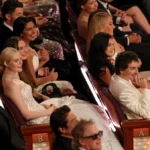
The victory for One Battle After Another marks a significant shift in Academy preferences, favoring a high-concept genre blend that managed to balance commercial appeal with critical depth. While Sean Penn secured his third Oscar for his supporting role in the film, he was notably absent from the ceremony. Presenter Kieran Culkin noted Penn’s absence with a quip, suggesting the actor "couldn’t be here tonight or didn’t want to be," which drew laughter from the star-studded audience at the Dolby Theatre.
The race for the top prize had largely narrowed down to a contest between Anderson’s caper and Ryan Coogler’s Sinners. The latter entered the evening as a heavy favorite with a record-breaking 16 nominations, the most ever received by a single film in the history of the Oscars. Despite the high expectations, Sinners ultimately took home four awards, including key wins in the acting and technical categories.
Michael B Jordan and Jessie Buckley Win Big in Lead Categories
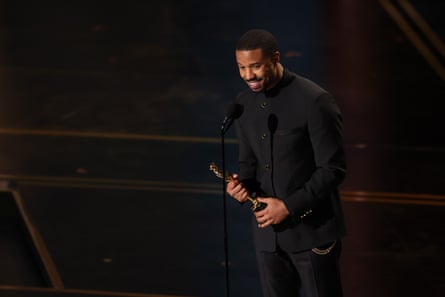
Michael B. Jordan secured his first Academy Award for Best Actor for his performance in the period vampire blockbuster Sinners. In a highly competitive field, Jordan beat out industry veterans and perennial favorites including Timothée Chalamet and Leonardo DiCaprio. Jordan’s win is historically significant, as he becomes only the sixth Black actor to win in the Best Actor category.
In an emotional acceptance speech, Jordan paid homage to those who paved the way for his success, listing previous Black Oscar winners as his inspiration. "I stand here because of the people who came before me," he told the audience, acknowledging the weight of the moment and the progress of representation in Hollywood.
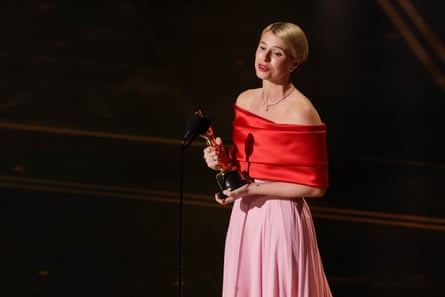
The Best Actress category also saw a historic first as Jessie Buckley became the first Irish woman to win the award. Buckley was honored for her role in Hamnet, a Shakespearean drama directed by Chloé Zhao. Buckley, who was previously nominated for her work in The Lost Daughter, dedicated her win to "the beautiful chaos of a mother’s heart," calling the recognition the greatest honor of her professional life.
Historic Achievements for Sinners and Breakthroughs in Cinematography
Beyond Jordan’s acting win, Sinners achieved a landmark victory in the Best Cinematography category. Autumn Durald Arkapaw became the first woman and the first Black person to ever win the Oscar for cinematography, breaking a long-standing barrier in one of the Academy’s most historically homogenous categories. The film also secured awards for Best Original Score and Best Original Screenplay.
Director Ryan Coogler, who took home the screenplay award, is now the second Black writer to win for Best Original Screenplay, following Jordan Peele’s win for Get Out. During his speech, the 39-year-old filmmaker asked his cast to stand, praising them as "winners in my book" and apologizing to his children for the long periods of time spent away from home during the film’s demanding production schedule.
The evening was also a record-breaking night for Amy Madigan, who was named Best Supporting Actress for her role as a villain in the horror hit Weapons. At 75, Madigan set a new record for the longest gap between an initial nomination and a final win, having first been nominated in 1986. Her win was also notable for being the first time since 2008 that an actor won an Oscar as the sole nominee from their respective film.
International Success and Documentary Narratives
The 98th Academy Awards highlighted a strong international presence, with Joachim Trier’s family drama Sentimental Value winning Best International Feature Film. This victory marked the first time Norway has won in the category. Trier, describing himself as a "film nerd from Norway," used his platform to advocate for children’s rights, paraphrasing James Baldwin to remind the audience that adults are responsible for the future of all children.
The political atmosphere of the night was further underscored by Javier Bardem, who co-presented the international feature award. Bardem wore prominent badges calling for a ceasefire and a "free Palestine," stating "no to war" while onstage.
In the documentary categories, Mr. Nobody Against Putin took home the award for Best Documentary. The film follows a Russian teacher’s struggle against oppressive government mandates in his school. Co-director David Borenstein delivered a powerful speech about the erosion of national identity and the moral choices individuals face when governments suppress free speech. He warned of the dangers of oligarchs controlling media consumption and emphasized that even an average citizen has more power than they realize.
Netflix Hits and Animation Milestones
Netflix secured several major wins, particularly in the animation and technical fields. KPop Demon Hunters, currently the streaming platform’s most-watched film of all time, won for Best Animated Feature and Best Original Song. The track "Golden" made history as the first K-pop song to win an Academy Award. Co-director Maggie Kang offered an emotional tribute to the Korean community, apologizing for the length of time it took for such representation to reach the Oscar stage.
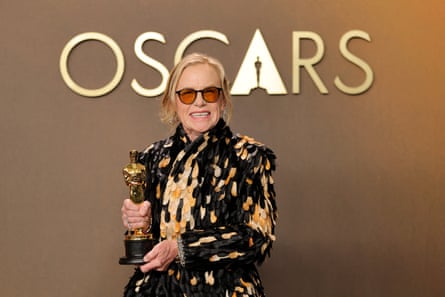
Guillermo del Toro’s reimagining of Frankenstein also performed well, taking home three awards for Best Production Design, Best Costume Design, and Best Makeup and Hairstyling. Meanwhile, the blockbuster Avatar: Fire and Ash took the prize for Best Visual Effects, and the racing drama F1 won for Best Sound.
The night also featured a rare occurrence in the Live Action Short category, where a tie was declared. This marks only the seventh tie in the history of the Oscars and the first since the sound editing tie in 2012.
Host Conan O’Brien Navigates a Chaotic Industry Landscape
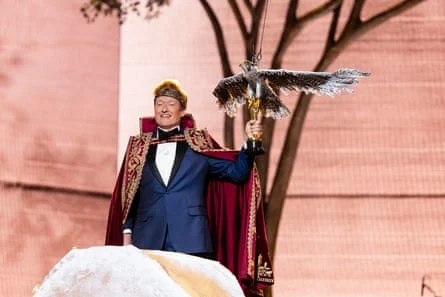
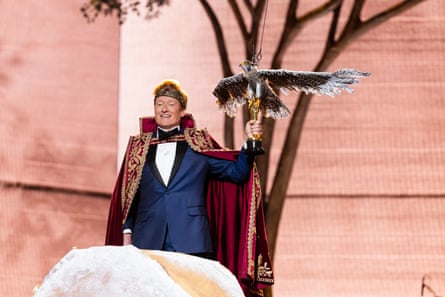
Conan O’Brien returned to host the ceremony for the second consecutive year, opening the show with a pre-recorded segment where he appeared as Amy Madigan’s character from Weapons. His monologue addressed the "chaotic and frightening times" facing the world and the film industry. O’Brien joked about the rise of artificial intelligence, suggesting he might be the "last human host" of the Oscars. This sentiment was echoed later in the night by Will Arnett, who made a plea against the use of AI in creative fields, receiving a standing ovation from the crowd.
O’Brien’s commentary did not shy away from industry politics. He poked fun at Netflix CEO Ted Sarandos and referenced the lack of British acting contenders. He also targeted the lack of nominations for Amazon-produced films, jokingly asking why the "website I buy toilet paper from" wasn’t winning more awards.
The ceremony also included several high-profile tributes to industry legends who passed away in the last year. Billy Crystal led a memorial for director Rob Reiner, joined by stars like Meg Ryan and Demi Moore. Rachel McAdams honored Canadian icons Catherine O’Hara and Diane Keaton, while Barbra Streisand delivered a moving tribute to Robert Redford. Streisand described Redford as an "intellectual cowboy" with "real backbone" before performing a segment of their classic song, "The Way We Were."
Studio Dominance and the Changing Face of Hollywood
Warner Bros. emerged as the dominant studio of the night, securing a total of 11 awards. This marked the studio’s first Best Picture win since Argo in 2013. The success comes at a volatile time for the industry, as Paramount Global prepares for a high-stakes merger following a protracted battle for ownership.
The 98th Academy Awards reflected a year of transition, balancing traditional cinematic storytelling with the growing influence of streaming platforms and international voices. As the ceremony concluded, the sweeping success of One Battle After Another and the historic wins for Michael B. Jordan and Jessie Buckley signaled a year where the Academy sought to reward both established masters and new milestones in representation.
While several highly touted films, including Bugonia and Train Dreams, left the ceremony empty-handed, the night belonged to Paul Thomas Anderson and a diverse group of winners who redefined the boundaries of the Oscar stage. The evening’s blend of political advocacy, historical firsts, and industry humor reinforced the Academy’s ongoing effort to remain relevant in a rapidly shifting cultural and technological landscape.