The highly anticipated 2026 FIFA World Cup final between Spain and Argentina concluded its opening 45 minutes with a scoreless draw, a testament to a fiercely contested and tactically cautious first half at the New York New Jersey Stadium. Despite a star-studded pre-match ceremony and a slight delay attributed to the presence of U.S. President Donald Trump, the on-field action proved to be a tight tactical battle, with Spain dictating possession while Argentina focused on disrupting their rhythm and making the game physical.
The global showpiece event, held in East Rutherford, New Jersey, kicked off approximately six minutes behind schedule following an elaborate opening performance that featured international music star Robbie Williams and Hollywood actor Tom Cruise. Once the whistle blew, Spain, under the guidance of their experienced coach, immediately sought to establish control through intricate passing and ball retention. Their strategy aimed to draw Argentina out of their defensive shape, forcing the South American champions to expend energy chasing the game.
Argentina, known for their tenacious style and star power, found themselves largely confined to their own half for significant periods. Their primary objective appeared to be to stifle Spain’s creative midfielders and turn the match into a physical, attritional contest. This approach, while limiting Spain’s clear-cut opportunities, also meant Argentina struggled to mount any meaningful attacks in the opening stanza. The defensive solidity of both sides was evident, with neither goalkeeper being seriously tested for extended stretches.
A Tactical Chess Match in New Jersey
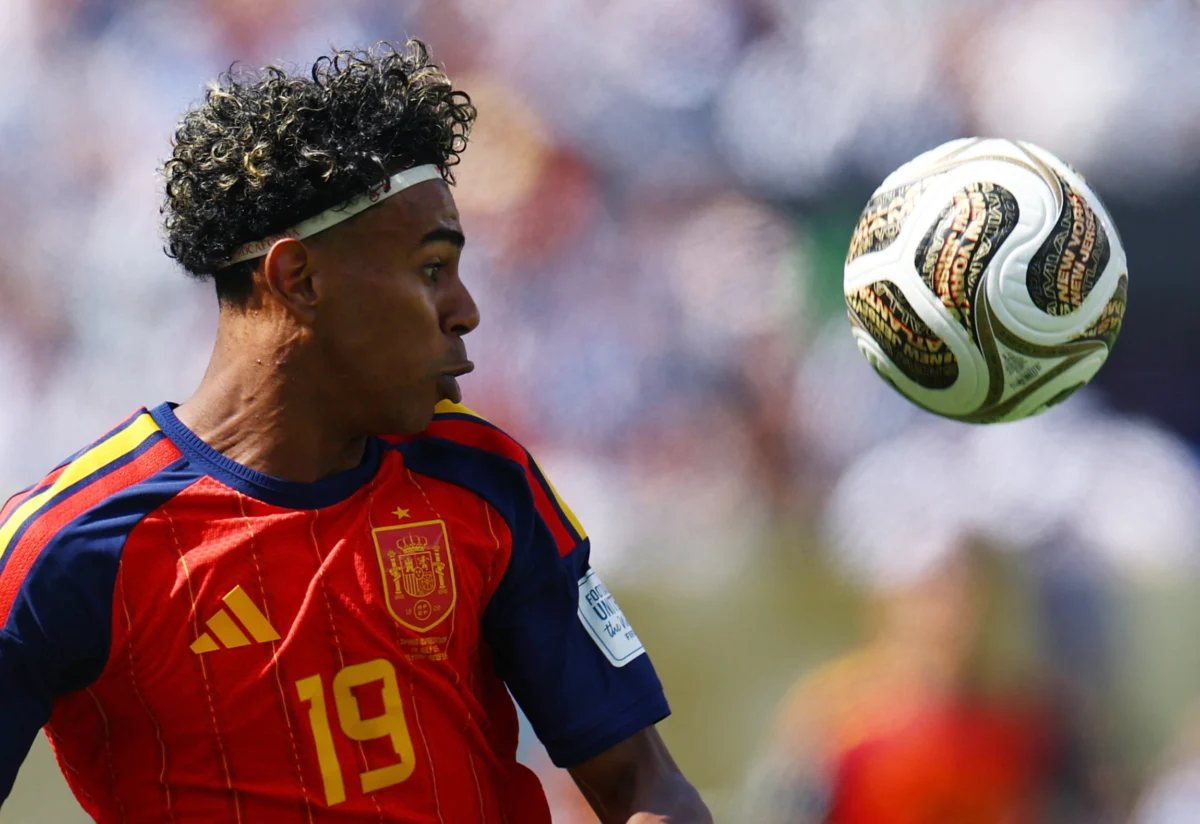
The opening moments offered a glimpse of potential attacking flair, with Spain’s prodigious talent Lamine Yamal forcing a save from Argentina’s formidable goalkeeper, Emi Martinez, in just the fifth minute. The young winger unleashed a shot from a difficult angle inside the penalty area after a fluid passing sequence involving Dani Olmo. This early threat, however, proved to be one of the few clear chances created in a half characterized by strategic maneuvering rather than outright attacking abandon.

Across the entire first half, official statistics revealed a remarkably low number of shots on goal, with Spain registering just three efforts, all of which were on target or otherwise accounted for. Argentina, conversely, failed to register a single shot on goal, highlighting their defensive focus and struggles to transition effectively into attack. The lack of offensive output from the Albiceleste was a significant talking point, as they typically possess potent attacking threats.
Spain’s striker Mikel Oyarzabal, who has been a key contributor throughout the tournament, tested Martinez again in the 39th minute with a shot from just outside the box. The Argentine keeper, however, made a comfortable save, denying Spain a much-needed breakthrough. Moments later, Spanish defender Marc Cucurella sent an effort wide of the post as Spain continued to probe for an opening. Despite their territorial advantage and greater share of possession, Spain’s inability to break down Argentina’s resolute defense was a recurring theme of the first half.
Argentina’s game plan, centered on physicality and disrupting Spain’s flow, appeared to be largely successful in nullifying their opponent’s attacking prowess. The defending champions were willing to engage in robust tackles and contested every ball, aiming to frustrate Spain’s technically gifted players. This tactic, while effective in keeping the scoreline level, also risked inviting disciplinary action from the match officials.
Referee’s Restraint and Rising Tensions
The officiating in the first half became a talking point as Slovenian referee Slavko Vincic initially opted to keep his cards in his pocket. Despite several robust challenges and clear fouls, yellow cards were not issued until late in the half, contributing to a sense of mounting tension and a potential for escalation. This approach by the referee may have emboldened some players to engage in more aggressive tackles, believing they could get away with more physical play.
One particular incident that drew the ire of the Spanish bench occurred around the 15-minute mark when Alexis Mac Allister of Argentina executed a late, lunging challenge on Dani Olmo. Mac Allister appeared to miss the ball entirely, catching Olmo with his studs. The Spanish coaching staff and players protested vehemently, believing a yellow card was warranted for the dangerous tackle. However, Vincic opted for a verbal warning, a decision that clearly frustrated the Spanish contingent.

The first booking of the match finally arrived in the 40th minute when Argentinian defender Lisandro Martinez was cautioned for a foul on Mikel Oyarzabal. Martinez dragged the Spanish forward down from behind as Oyarzabal attempted to turn and create space. This foul not only resulted in a yellow card but also signaled a potential shift in the game’s disciplinary landscape, with the referee now more inclined to enforce the rules strictly.
Defensive Cornerstone Injured: A Blow for Argentina
Adding to Argentina’s concerns, a critical defensive player, Lisandro Martinez, was forced off the field due to an injury sustained late in the first half. Martinez has been an indispensable figure at the heart of Argentina’s defense throughout the tournament, providing both strength and composure. His absence represents a significant blow to their defensive organization and their ability to contain Spain’s dynamic attack in the second half.
The responsibility of shoring up the defense now falls on the shoulders of veteran defender Nicolas Otamendi. Otamendi, a seasoned campaigner, will need to draw upon his extensive experience to nullify the threats posed by Spain’s potent forwards, including the exciting Lamine Yamal and the clinical Mikel Oyarzabal. The tactical adjustments and the performance of Otamendi will be crucial for Argentina as they aim to defend their title.
First-Half Statistics Reveal Tactical Battle
The statistical breakdown of the first half paints a clear picture of the tactical dynamics at play. Spain dominated possession, enjoying a commanding 64.6 percent share of the ball, a statistic that underscores their control of the game’s tempo and rhythm. This possession, however, did not translate into a significant number of scoring opportunities.
As previously noted, Spain managed three shots on goal, indicating their attempts to penetrate the Argentinian defense. In stark contrast, Argentina failed to register a single shot, emphasizing their defensive posture and their struggles to build attacking momentum. The territorial dominance of Spain was evident, but their inability to convert possession into concrete chances was a recurring challenge.

Fouls committed also offered insight into the game’s physicality. Argentina committed two more fouls than their Spanish counterparts, reflecting their more aggressive and disruptive approach to the game. This higher number of fouls resulted in one yellow card for Lisandro Martinez. Spain, meanwhile, had not received any bookings by halftime, suggesting a more disciplined, albeit less overtly physical, approach.
Corner statistics further highlighted Spain’s offensive pressure, with La Roja earning two corner kicks compared to none for Argentina. These set pieces, while not yielding goals, represented moments where Spain could have potentially broken the deadlock. The overall statistics of the first half indicated a game of strategic chess, with Spain attempting to weave their way through Argentina’s solid defense, which was content to absorb pressure and look for counter-attacking opportunities that never fully materialized.
The absence of a goal by halftime meant that both teams, despite their differing approaches, faced a critical second half. Spain would need to find a way to convert their possession into decisive attacking moments, while Argentina would have to find a way to generate more offensive threat while remaining defensively sound, all while dealing with the loss of a key defender. The stage was set for a potentially dramatic conclusion to this prestigious World Cup final.