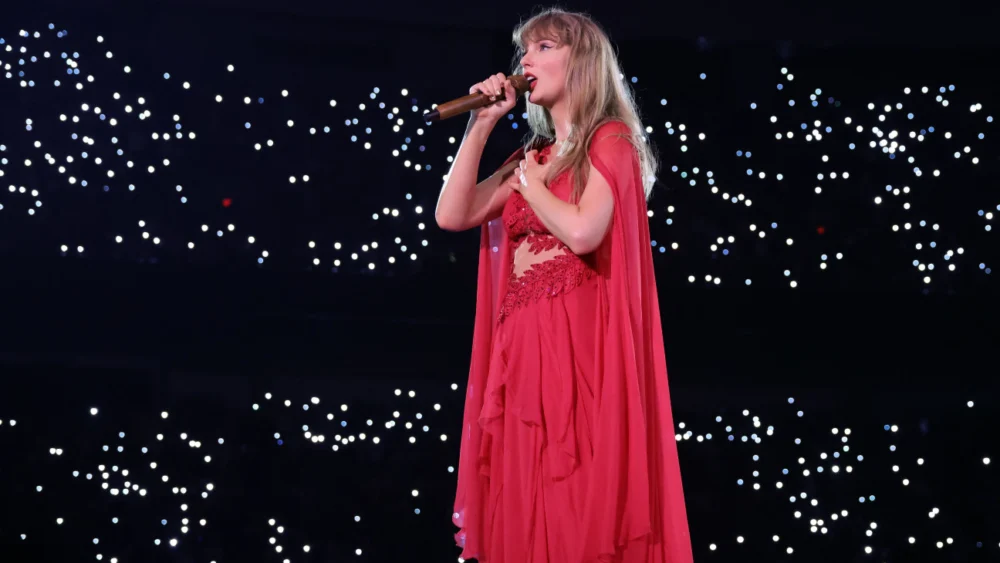
Taylor Swift fans who purchased tickets through StubHub for the pop superstar’s highly anticipated 2024 The Eras Tour concerts in Vancouver may be eligible for full reimbursements, following a landmark agreement between the ticket resale giant and Consumer Protection B.C. The provincial regulator announced a legally enforceable deal with StubHub Canada, mandating that the company offer Vancouver concert ticket refunds to Swifties whose seats for the December 6, 7, and 8, 2024 shows were sold without clear disclosure of obstructed or limited views. This development marks a significant win for consumer rights in the often-controversial secondary ticketing market.
Regulatory Action Secures Fan Reimbursements
The agreement stems from a formal investigation initiated by Consumer Protection B.C., prompted by a consumer complaint regarding inadequate disclosure on tickets sold for the high-demand concerts. Under the terms of the settlement, concert-goers must demonstrate that StubHub failed to explicitly state that their purchased seating offered an "obstructed or limited view." The specific sections identified as potentially affected were those situated beside or behind the main stage where Taylor Swift is set to perform at BC Place.
Consumer Protection B.C., a government regulator tasked with safeguarding consumer interests, emphasized the importance of transparency in online transactions. Louise Hartland, director of public relations for the organization, stated, "People buying tickets in B.C. have the right to clear, accurate information about what they are purchasing and what it will cost before they buy." Hartland added that the agreement underscores a commitment to transparency and ensuring consumers can access refunds when required by law, not merely credits. The move could set a precedent for future consumer protection efforts in the digital marketplace, especially for events generating immense public interest.
The Scale of the Eras Tour and Ticketing Challenges
Taylor Swift’s The Eras Tour has shattered global records, becoming the highest-grossing concert tour of all time and generating unprecedented demand for tickets worldwide. This monumental success has also placed immense pressure on ticketing systems, both primary and secondary, leading to widespread issues ranging from technical glitches to exorbitant resale prices and, as highlighted by this case, inadequate disclosure of seating conditions. Fans, often desperate to secure a spot at the cultural phenomenon, frequently turn to secondary markets like StubHub when primary sales sell out rapidly, sometimes overlooking fine print or trusting platform descriptions.
The sheer scale of the tour, which has been credited with boosting local economies in every city it visits, means that any disruption or dispute concerning ticket sales affects a massive number of individuals. For many fans, attending The Eras Tour is a once-in-a-lifetime experience, making the clarity and accuracy of ticket information paramount. The Vancouver dates were among the most coveted, with thousands of fans attempting to purchase tickets, making the integrity of the sales process a critical concern for regulators.
Consumer Protection B.C. Upholds Transparency Laws
The provincial laws in British Columbia are explicit regarding ticket sales. The Ticket Sales Act mandates that ticket sellers and platforms must clearly disclose all ticket details and the full cost upfront before any purchase is finalized. This legal framework is designed to prevent deceptive practices and ensure consumers receive exactly what they pay for. Consumer Protection B.C. found that StubHub had indeed breached these provincial statutes by failing to provide comprehensive and accurate sales descriptions, particularly concerning potential view obstructions.
Venue operators typically specify which seats may have an obstructed line of sight, whether due to structural elements like poles, large speaker arrays, or soundboards. This information is crucial for concert-goers, as an obstructed view can significantly detract from the experience, especially at an event as visually spectacular as The Eras Tour. The regulator’s findings underscore that secondary platforms are not exempt from these disclosure requirements, even when acting as intermediaries for individual sellers.
Understanding Obstructed View Seating Disclosures
The concept of an "obstructed view" in live event ticketing refers to any physical barrier or structural element that prevents a clear, unobstructed line of sight to the stage or main performance area. This can range from minor impediments, such as a railing or a speaker hanging slightly into the sightline, to major obstructions like a wall, a large column, or the back of the stage itself. For fans, particularly those attending high-profile concerts, a clear view is often a significant factor in their purchasing decision and overall satisfaction.
Industry best practices and, as demonstrated by B.C. law, legal requirements dictate that ticket sellers must clearly label seats with obstructed views. This typically involves specific warnings on the ticket listing, often accompanied by diagrams or descriptions explaining the nature of the obstruction. Failure to do so can lead to consumer disappointment, claims of misrepresentation, and regulatory action, as seen in the StubHub case for the Vancouver concert ticket refunds. The agreement reinforces the principle that consumers have a right to know precisely what they are buying, particularly when investing substantial amounts in concert tickets.
StubHub’s Business Model Under Scrutiny
StubHub operates as one of the largest online marketplaces for the resale of tickets to concerts, major sporting events, and other live performances. Its business model relies heavily on user-to-user transactions, with the company generating revenue primarily through service fees applied to both buyers and sellers. This model thrives on high demand for popular events, with The Eras Tour being a prime example of an event that significantly boosted StubHub’s activity and revenue.
However, the nature of secondary ticketing platforms often places them at the center of debates concerning pricing transparency, consumer protection, and predatory practices. This isn’t the first time StubHub has faced legal challenges regarding its sales practices. In July 2024, the Attorney General of Washington, D.C., filed a lawsuit against StubHub, accusing it of deceptively hiding mandatory fees until the final stages of the checkout process. This practice, often referred to as "drip pricing," can mislead consumers about the true cost of tickets until they are deep into the purchasing funnel.
The B.C. agreement for Vancouver concert ticket refunds for Taylor Swift’s shows adds another layer to the regulatory scrutiny faced by StubHub, focusing on the accuracy and completeness of product descriptions rather than just pricing. Both cases highlight a growing trend of regulators holding online marketplaces accountable for the information presented to consumers, emphasizing that platforms cannot simply defer responsibility to individual sellers when their own systems facilitate potentially misleading sales.
Implementation of the Refund Agreement
As part of the legally binding agreement, StubHub has committed to proactively reaching out to all eligible ticket purchasers. The company has until May 1, 2026, to contact these individuals, ensuring that affected Swifties have ample time to process their claims. While the exact mechanism for proving an obstructed view will be detailed in StubHub’s communication, concert-goers will likely need to provide evidence such as purchase records, seating charts, or potentially even photographic documentation if available.
Beyond facilitating refunds, StubHub has also been mandated to pay over $6,000 in inspection fees to Consumer Protection B.C., covering the costs associated with the investigation. Furthermore, the company will contribute $2,500 to the Consumer Advancement Fund, a fund dedicated to supporting initiatives that promote consumer education and protection in British Columbia. These financial penalties serve as a deterrent and underscore the seriousness with which regulatory bodies view violations of consumer protection laws.
Implications for Future Ticket Sales and Consumer Rights
This agreement holds significant implications for the broader secondary ticketing market and consumer rights. By enforcing clear disclosure standards and securing refunds for affected buyers, Consumer Protection B.C. has set a precedent that could empower other regulatory bodies to take similar action. It sends a strong message to all ticketing platforms, both primary and secondary, that they are responsible for the accuracy and transparency of the information they provide to consumers.
The ruling is particularly relevant in an era where major concert tours are increasingly dominating the entertainment landscape and generating intense competition for tickets. It reinforces the idea that fan enthusiasm should not be exploited through deceptive or incomplete information. For consumers, this agreement enhances their confidence that they have recourse when purchasing tickets online, fostering a more trustworthy environment for live event transactions.
A Broader Look at Ticketing Industry Regulations
The challenges of regulating the ticketing industry are complex, balancing the desire for open markets with the need to protect consumers from predatory practices. Globally, lawmakers and consumer advocates are grappling with issues such as automated ticket purchasing bots, dynamic pricing, hidden fees, and fraudulent resales. The Vancouver concert ticket refunds case against StubHub specifically addresses the issue of transparency in ticket descriptions, which is a critical component of fair trading.
Many jurisdictions are exploring or implementing new legislation to bring greater oversight to the secondary market. Some aim to cap resale prices, others mandate "all-in" pricing to combat hidden fees, and still others focus on licensing requirements for resellers. The B.C. agreement contributes to this evolving regulatory landscape by specifically targeting the quality of information provided about the actual product – the seat itself. This focus on the physical experience of the concert-goer rather than just the transaction process highlights a nuanced approach to consumer protection.
This regulatory action for Taylor Swift’s Vancouver concerts signals a growing commitment by authorities to ensure that digital marketplaces are held to the same, if not higher, standards of transparency and accountability as traditional retailers. It underscores the ongoing effort to create a safer and more equitable environment for fans eager to experience live events, ultimately aiming to enhance the overall fan experience by ensuring that what is promised aligns with what is delivered. The agreement serves as a powerful reminder to platforms like StubHub that robust consumer protection laws will be actively enforced, particularly when high-profile events and passionate fanbases are involved.