Argentine filmmaker Lucila Mariani is set to debut her first feature film, The Days Off (Los días libres), at the prestigious 79th Locarno Film Festival on August 7, where it will compete in the Filmmakers of the Present section. The film, a multi-national co-production, explores the intricate themes of female identity, coming-of-age, and the evolving relationship between adolescents and the digital world, presenting a poignant reflection on online communities and the search for belonging. Mariani describes her work as a deeply personal "love letter" to an earlier, more nascent version of the internet, an online landscape distinct from the highly commercialized and platform-driven web of today.
A Deep Dive into Digital Adolescence and Identity
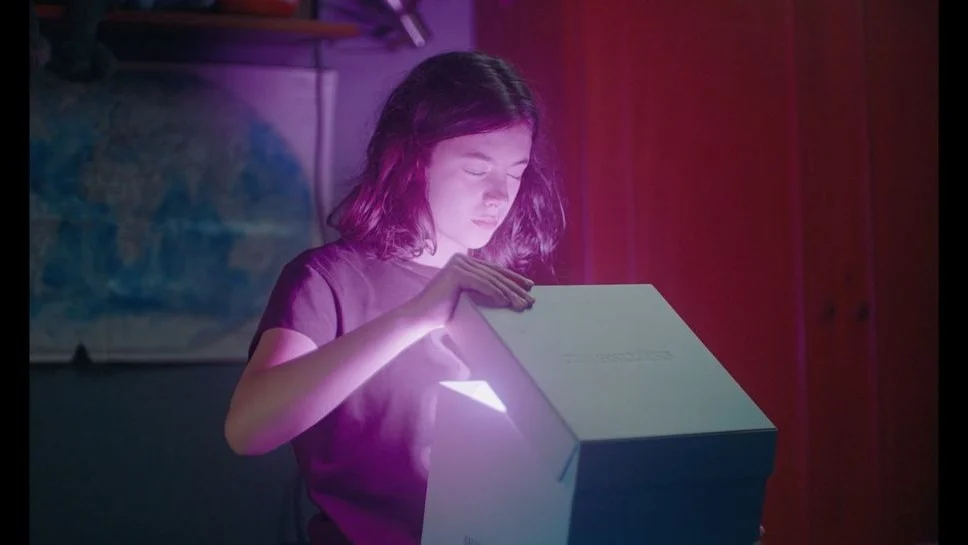
The Days Off centers on Bego, a 12-year-old girl navigating the tumultuous waters of self-discovery during an endless summer break in the near future, set against the backdrop of an impending solar eclipse. Her struggles to find her place within her family and among her peers are amplified by a growing reliance on virtual connections. The narrative takes a significant turn when Bego encounters REN__, an online friend who introduces her to "shifting," a practice through which teenagers believe they can access alternate realities via lucid dreaming. This digital escapism offers Bego a new avenue for identity exploration, intertwining her personal journey with the potent allure of virtual worlds.
Mariani’s film arrives at a critical juncture for discussions around youth mental health and digital engagement. The concept of "shifting" within the film serves as a metaphor for the profound human desire for escape and transformation, a theme resonating with the psychological complexities of adolescence. It delves into how digital spaces can become havens for those feeling disconnected in their physical environments, exploring both the liberating and potentially isolating aspects of online identity formation.
Locarno Festival: A Launchpad for Emerging Talent
The selection of The Days Off for the Locarno Film Festival’s Filmmakers of the Present Competition underscores its significance within the independent cinema landscape. Locarno, renowned for its commitment to discovering and championing new voices in global cinema, provides a crucial platform for emerging directors like Mariani. The festival’s rigorous selection process ensures that films chosen for this competition represent innovative storytelling and unique artistic visions, often setting the stage for international critical acclaim and distribution. For a debut feature, a world premiere at Locarno signals a strong vote of confidence in its artistic merit and potential impact.
The festival’s history is rich with films that have gone on to shape cinematic trends and launch careers, making it an ideal setting for The Days Off to begin its journey. Its focus on non-mainstream narratives and diverse global perspectives aligns perfectly with the film’s exploration of universal themes through a distinctly Latin American lens, while tackling contemporary issues relevant to a global youth audience.
The Collaborative Spirit of The Days Off
The production of The Days Off exemplifies the collaborative nature of contemporary independent filmmaking, being a co-production spanning Argentina, Brazil, Mexico, and France. This multi-national funding and artistic partnership is increasingly common for films that aim for broader international reach and diversified financial support. Such collaborations facilitate the pooling of resources, talent, and creative perspectives, often enriching the final product and allowing for more ambitious projects to come to fruition outside traditional studio systems.
The cast features Antonia Robolini in the central role of Bego, alongside Luiza Quinteiro, Laura Paredes, and Guillermo Berthold. Behind the camera, Victoria Pereda served as cinematographer, capturing the film’s distinctive visual style, while Maximiliano Passarelli handled editing. International sales for The Days Off are being managed by Inwave Films, positioning the movie for potential distribution deals and wider audience engagement following its festival premiere.
Lucila Mariani’s Artistic Vision: A Personal Connection to the Digital Realm
In her director’s statement, Lucila Mariani articulates the deeply personal motivations behind The Days Off, highlighting its exploration of themes that have consistently captivated her: horror, female identity, the intricate relationship with technology and virtual worlds, and the very limits of cinematic language. Her own experiences with the internet form the emotional core of the film, revealing its profound influence on her formative years.
Mariani recounts how the internet served as a vital refuge where she found companionship when unable to connect in the physical world. It was a space where she accessed music and films that would otherwise have been inaccessible in her country due to geographical and economic barriers. More profoundly, the internet became a crucible for self-discovery, helping her understand her identity and aspirations. She credits it with teaching her "how to dream," emphasizing its role as a fertile ground for imagination and alternative realities.
The Fading Echoes of an Earlier Internet
Mariani’s description of The Days Off as an "open love letter to that internet — the one that no longer quite exists, the one that is changing" offers a critical commentary on the evolution of digital spaces. This sentiment evokes a nostalgia for an earlier iteration of the internet, often characterized by its more decentralized nature, its nascent communities, and a sense of unexplored frontier. Before the advent of ubiquitous social media platforms and the pervasive data economy, the internet offered a different kind of anonymity and freedom, allowing individuals to forge identities and connections outside the strictures of their offline lives.
The film hints at the "hidden corners that not everyone can see," suggesting a secret language and shared understanding among those who inhabited these early digital realms. It stands as "a wink, a secret, to those who, like me, do not always belong," and "a refuge for those who don’t quite fit in and who, like me, needed cinema, the internet, something to hold on to and believe in." This perspective positions The Days Off not just as a narrative about a young girl, but as a broader cultural elegy for a bygone digital era, reflecting on how online spaces have transformed and what has been gained and lost in that transition.
Broader Implications: Digital Identity and Escapism
The Days Off is poised to spark wider conversations about the psychological impact of digital environments on adolescent development. The concept of "shifting" and the search for alternate realities through lucid dreaming taps into a contemporary fascination with virtual escapism, from gaming to metaverse concepts. The film prompts viewers to consider the fine line between healthy exploration and potential disengagement from reality, particularly for young individuals struggling with identity and belonging.
Its blend of coming-of-age drama with elements of horror, as noted by Mariani, suggests a nuanced portrayal of these themes. The "horror" may not be purely supernatural but could manifest as the psychological unease or existential dread associated with navigating complex digital and real-world identities, or the inherent vulnerabilities of online connections. The film’s exploration of the "limits of cinematic language" further implies an innovative approach to storytelling, potentially utilizing visual or narrative techniques that mirror the immersive and sometimes disorienting nature of virtual experiences.
Anticipating the Film’s Reception and Future
As The Days Off prepares for its world premiere, industry anticipation centers on its potential to resonate with both critics and audiences. Its timely themes, combined with Mariani’s personal and artistic vision, position it as a significant entry in this year’s festival circuit. A strong showing at Locarno could pave the way for numerous awards, further festival invitations, and crucial distribution deals that would bring the film to a global audience.
The success of The Days Off could also solidify Lucila Mariani’s position as an exciting new voice in international cinema, particularly within the Latin American independent film movement. Her ability to weave personal narrative with universal themes of identity, technology, and belonging offers a compelling perspective that promises to leave a lasting impression on those who encounter her debut feature. The film serves as a powerful reminder of the enduring human need for connection and self-discovery, regardless of whether those journeys unfold in the tangible world or within the boundless expanse of digital dreams.