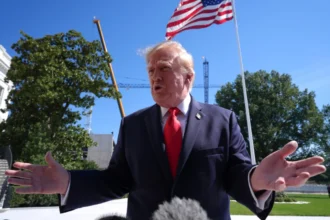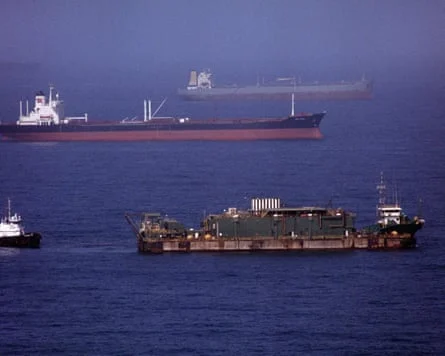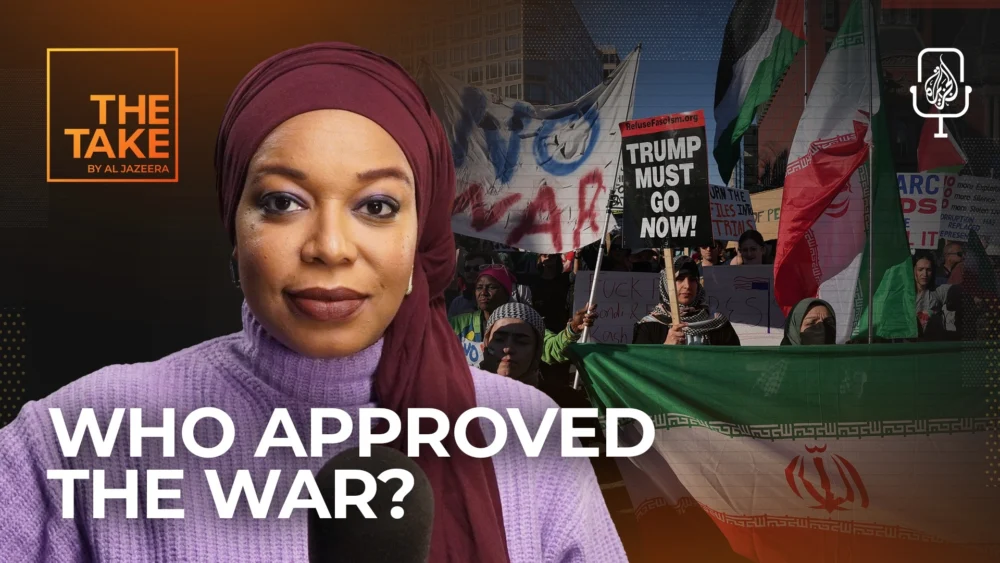
The Trump administration has initiated military strikes against Iran amid a contentious debate within Congress over the executive branch’s war-making authority, creating a volatile and uncertain geopolitical landscape that has drawn stark divisions across the political spectrum. This unilateral action by the President, seemingly outpacing legislative deliberations, has ignited a firestorm of controversy, raising profound questions about constitutional checks and balances and the future of American foreign policy.
The unfolding situation has been characterized by a peculiar blend of high-level diplomatic maneuvering and a stark disconnect from broader public sentiment. Reports from within the Washington D.C. political establishment suggest a degree of celebration at exclusive power dinners, where discussions reportedly touched upon the strategic implications of these actions, particularly in relation to Israel’s security. Simultaneously, Secretary of State remarks have acknowledged the United States’ commitment to defending Israel, further solidifying the perceived alignment of interests. This narrative, however, exists in a vacuum as public opinion polls indicate a significant lack of popular support for increased military engagement in the region, leaving many to question the avenues available to the American electorate to influence or halt such escalatory policies.
Escalation and Congressional Stalemate on Iran
The recent military actions against Iran represent a significant escalation of tensions, occurring at a critical juncture where Congress was actively engaged in a debate over its constitutional prerogative to authorize acts of war. This timing has amplified concerns about executive overreach and the erosion of legislative oversight in matters of national security. The President’s decision to authorize strikes, while lawmakers were still deliberating the scope and legality of potential military action, has created a fait accompli, effectively sidelining the congressional debate and undermining its intended purpose.
Background: A Tenuous Relationship
The relationship between the United States and Iran has been fraught with tension for decades, marked by a series of diplomatic crises, economic sanctions, and proxy conflicts. The 1979 Iranian Revolution and the subsequent hostage crisis set a precedent for adversarial interactions that have persisted through various presidential administrations. More recently, the Trump administration withdrew from the Joint Comprehensive Plan of Action (JCPOA), commonly known as the Iran nuclear deal, reimposing stringent sanctions and adopting a policy of "maximum pressure." This shift in policy was intended to curb Iran’s nuclear program and its regional influence, but it has also led to increased provocations and heightened risks of military confrontation.
The complex web of alliances and rivalries in the Middle East further complicates the situation. Israel, a key U.S. ally, views Iran as a primary existential threat, citing its nuclear ambitions and support for militant groups in the region. This shared concern has often driven U.S. foreign policy decisions concerning Iran, creating a consistent alignment between Washington and Jerusalem on many strategic fronts. However, the extent to which this alliance dictates U.S. military actions, particularly without explicit congressional authorization, remains a point of contention among policymakers and foreign policy experts.
The Debate Over War Powers and Presidential Authority
Central to the current impasse is the ongoing debate surrounding Congress’s constitutional authority to declare war and the President’s role as Commander-in-Chief. The War Powers Resolution of 1973, enacted after the Vietnam War, aims to limit the President’s ability to commit U.S. forces to armed conflict without congressional approval. It requires the President to notify Congress within 48 hours of deploying armed forces into hostilities and restricts the duration of such deployments to 60 days unless Congress grants an extension or declares war.
However, the interpretation and enforcement of the War Powers Resolution have been subjects of persistent debate. Critics argue that the resolution is an infringement on the President’s constitutional duty to protect national security interests, while proponents contend that it is a vital safeguard against unchecked executive power. In the context of the recent strikes against Iran, the administration’s decision to act unilaterally, even as Congress was engaged in its oversight role, has reignited these fundamental arguments about the separation of powers.
Timeline of Recent Events and Congressional Response
The period leading up to and immediately following the strikes on Iran has been marked by a rapid sequence of events. Intelligence assessments, diplomatic communications, and military planning have all played a role in shaping the administration’s response to perceived Iranian threats. While the specifics of the intelligence that prompted the strikes remain classified, public statements from administration officials have pointed to a pattern of aggressive Iranian behavior in the region.
In parallel, members of Congress from both parties have expressed concerns about the lack of transparency and the potential for unintended escalation. Hearings have been convened, resolutions have been introduced, and floor debates have taken place, all aimed at asserting congressional authority and seeking greater clarity on the administration’s strategy. However, the pace of legislative action often lags behind the swiftness of executive decisions, particularly in moments of perceived crisis.
The congressional debate has highlighted a spectrum of views. Some lawmakers have supported the President’s actions, emphasizing the need for a strong response to Iranian provocations and reaffirming U.S. commitments to allies. Others have voiced strong opposition, arguing that the strikes were not justified by imminent threats and that they significantly increased the risk of a wider conflict. The lack of a unified congressional stance has, in turn, emboldened the executive branch to proceed with its chosen course of action.
Public Opinion and the Disconnect with Policy
A significant and recurring theme in the discourse surrounding U.S. policy toward Iran is the apparent disconnect between public sentiment and the actions of the administration. Polls consistently indicate that a majority of Americans are wary of deeper military involvement in the Middle East and prefer diplomatic solutions to complex geopolitical challenges. This sentiment stands in contrast to the administration’s more hawkish posture and its willingness to employ military force.
The fading of other pressing public issues, such as the Epstein files, from mainstream attention, as noted in the internal discussions, further underscores how the focus of public discourse can be shaped and potentially diverted by high-profile geopolitical events. This dynamic raises questions about the ability of the public to maintain sustained engagement with complex foreign policy issues and to hold their elected officials accountable for decisions that carry significant long-term consequences.
The challenge for voters and advocacy groups lies in translating public concern into tangible political action. Without a clear and unified message from their representatives, or without compelling evidence that directly resonates with everyday concerns, public opinion can struggle to influence policy, especially when faced with a determined executive branch. The mechanisms for public input, such as contacting elected officials or participating in protests, often face an uphill battle against the entrenched structures of government and the rapid pace of international events.
Broader Implications and Future Trajectory
The implications of these events extend far beyond the immediate military context. The administration’s approach to Iran, characterized by unilateral action and a willingness to bypass traditional checks and balances, sets a precedent for future foreign policy decisions. It raises concerns about the long-term stability of international relations and the effectiveness of diplomatic frameworks in preventing conflict.
The erosion of congressional authority in matters of war-making could have profound consequences for the balance of power within the U.S. government. If the executive branch is consistently able to act decisively on foreign policy without significant legislative input, it could lead to a more imperial presidency, with fewer constraints on its ability to engage in military actions. This trend, if unchecked, could fundamentally alter the nature of American governance.
Furthermore, the potential for miscalculation and unintended escalation in the Middle East remains a significant risk. The region is a volatile tinderbox, and any misstep could have devastating consequences, not only for the countries directly involved but also for global energy markets, international security, and the broader geopolitical order. The decisions made in Washington today will undoubtedly shape the regional landscape for years to come, with ripple effects felt across continents.
Navigating the Path Forward
The current situation presents a critical juncture for American foreign policy and its democratic institutions. The ability of Washington to effectively manage its relationship with Iran, while adhering to its constitutional principles, will be a defining test of its governance. The ongoing debate within Congress, the administration’s assertive stance, and the muted public engagement all contribute to a complex and unpredictable environment.
Ultimately, the question of whether Washington can stop Trump on Iran is not merely a procedural one concerning the War Powers Resolution, but a fundamental inquiry into the balance of power, the role of public opinion in foreign policy, and the long-term consequences of executive decision-making in an increasingly interconnected world. The path forward requires a careful re-evaluation of these elements, with a focus on restoring robust congressional oversight and ensuring that the nation’s foreign policy decisions are not only effective but also democratically legitimate and reflective of the broader public interest. The coming weeks and months will likely reveal whether the established checks and balances can regain their footing or if the executive branch will continue to chart its own course on critical matters of war and peace.